10 Charming Beach Towns for a Relaxed Weekend Escape
From California's storybook cottages to New England's lobster shacks, these 10 beach towns know exactly how a weekend should feel.

Carmel Beach | Photo by Sirena Kuo
The best weekends rarely require much planning. You pick a direction, pack a bag, and drive until the air changes. The towns that make it worth it tend to share a few things in common: real beaches, good food, and enough character that two days never feel like quite enough.
The ten towns below cover both coasts and look nothing like each other. There is a Gilded Age mansion in Newport, wild ponies on Ocracoke, a pirate-history beach at the tip of Cape Cod, and a fairy-tale village in California where houses have names instead of numbers. Something here will be worth the drive.
1. Carmel-by-the-Sea, California

Carmel-by-the-Sea, California | Photo by Sirena Kuo
By the early 1900s, Carmel-by-the-Sea was already a refuge for artists and writers looking to disappear somewhere beautiful. Jack London was an early visitor, Hugh Comstock built his now-iconic fairy-tale cottages in the 1920s, and the town has attracted a certain kind of devoted admirer ever since, including Clint Eastwood, who served as mayor. What makes it unusual is how little has changed: no street addresses, no chain restaurants, no streetlights, and a walkable downtown of cobbled lanes lined with galleries, wine-tasting rooms, flower-covered cottages, and restaurants with long wine lists.
Carmel Beach at the base of Ocean Avenue is one of the better stretches of sand in California, white and wide with a full off-leash dog policy that makes the whole scene feel relaxed regardless of the weather. Point Lobos State Natural Reserve just south of town has tide pools, sea otters, and clifftop trails above the Pacific that are worth the visit on their own. La Bicyclette on Dolores Street is the kind of neighborhood restaurant that locals keep coming back to, which is usually the best recommendation a place can have.
2. Provincetown, Massachusetts

Provincetown, Massachusetts | Photo by Sirena Kuo
P-town has been doing things its own way for a long time. By the early 20th century it had become a thriving artists' colony, drawing Edward Hopper and others who came for the light and never quite left, and an LGBTQ+ community that has shaped the town's identity for decades followed. The Provincetown Art Association and Museum, founded in 1914, holds a permanent collection of over 4,000 works and still runs a serious program.
Commercial Street in summer is worth experiencing at least once: drag shows, live music, galleries, and restaurants packed into a walkable strip that stays buzzing from afternoon into the night. Herring Cove Beach faces west across Cape Cod Bay and delivers a reliable sunset every evening. Race Point, on the Atlantic side, is wilder and considerably less crowded. Bay State Cruises runs a high-speed ferry from Boston in about 90 minutes, which means you can leave the city Friday afternoon and be watching the sun go down before dinner.
3. Ocracoke, North Carolina
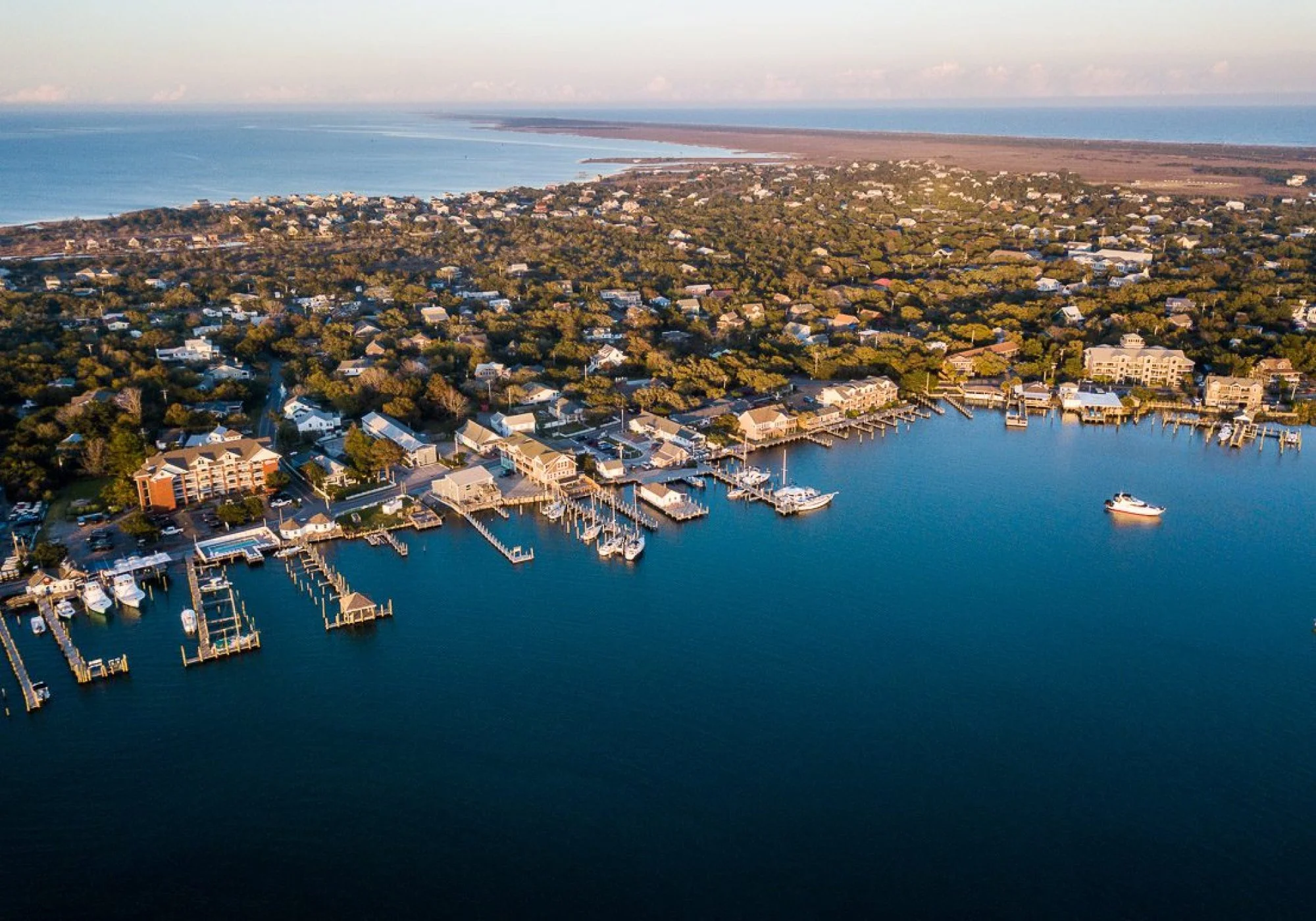
Ocracoke, North Carolina | Source: Visit Ocracoke NC
Ocracoke is only reachable by ferry, which says a lot about the pace of things once you arrive. The island sits at the southern end of the Outer Banks, with no traffic lights, no chain stores, and golf carts handling most of the movement through the village. Some longtime locals still speak the Ocracoke brogue, a distinct accent shaped by generations of geographic isolation that you will not hear anywhere else.
The beaches here are part of the Cape Hatteras National Seashore: 16 protected, undeveloped miles of Atlantic coastline that coastal researcher Dr. Stephen Leatherman, known as Dr. Beach, ranked number one in the United States in both 2007 and 2022. Blackbeard the pirate was killed just offshore in 1718, and wild ponies descended from Spanish mustangs still roam a preserve near the center of the island. It is the kind of place that rewards more than one visit.
4. Cape May, New Jersey

Cape May, New Jersey | Source: Wikipedia
Cape May has been a seaside destination since the 1600s, making it one of the oldest resorts in the country. After a fire destroyed much of the town in 1878, it was rebuilt almost entirely in Victorian style, and more than 600 of those structures are still standing, the highest concentration in the country outside of San Francisco. The entire city was designated a National Historic Landmark District in 1976, and walking its streets genuinely feels different from anywhere else on the Jersey Shore.
The beaches are wide and well-kept, Washington Street Mall holds the kind of local shop mix that most popular towns have long since lost, and the restaurant scene has improved considerably in recent years. Birders make dedicated pilgrimages here every spring and fall, since Cape May sits at the convergence of the Delaware Bay and the Atlantic and is one of the most important stopover points on the Atlantic flyway for raptors, songbirds, and shorebirds. The Cape May Point Lighthouse, in operation since 1859, is worth the 199-step climb for the views.
5. San Clemente, California

San Clemente, California | Source: San Clemente Guide
San Clemente was founded in 1925 by a former mayor of Seattle who called it a Spanish village by the sea and built it to match. The Spanish Colonial Revival architecture has held up well: white stucco walls, red-tile roofs, and a visual coherence that is genuinely rare for Southern California. Sitting midway between Los Angeles and San Diego, with sandstone cliffs above and a good beach below, it has the geography to back up the look.
Surfers know it primarily for Trestles, a break just south of town ranked among the best waves in California and a regular host of the US Open of Surfing. The Pier Bowl area near the historic train depot, accessible by Amtrak from both LA and San Diego, has good restaurants and a Sunday farmers market with the easy energy of a place that hasn't been overrun yet. The bluff trail above the coast offers views to Catalina Island on clear days and is one of the better walks in the region.
6. Long Beach Island, New Jersey

Long Beach Island, New Jersey | Photo by Sirena Kuo
Long Beach Island is an 18-mile barrier island off the central Jersey Shore, connected to the mainland by a single causeway and flanked by Barnegat Bay on the west and the Atlantic on the east. Locals call it LBI, and six distinct communities run along its length, from Barnegat Light at the northern tip down to Beach Haven at the south. The island is at most half a mile wide at any point, so you are never far from water in either direction.
The northern end is residential and low-key, favored by families who return to the same rental house summer after summer. Beach Haven clusters most of the action: restaurants, the Surflight Theatre, the Fantasy Island Amusement Park, and boardwalk energy that defines the Jersey Shore at its most classic. Barnegat Lighthouse at the north tip has been standing since 1859 and the climb is worth it for the inlet views.
7. Newport, Rhode Island

Newport, Rhode Island | Source: Castle Hill Inn | Photo by Erin McGinn
Newport has been a summer destination for wealthy families since the 1700s, and the Gilded Age left behind some of the most extraordinary houses you can walk through anywhere in this country. The Breakers, a 70-room Italian Renaissance villa commissioned by Cornelius Vanderbilt II in 1895, is open for tours alongside more than a dozen other estates managed by the Preservation Society of Newport County. Marble House, built almost entirely of marble as a birthday gift from William Vanderbilt to his wife, gives it genuine competition.
The Cliff Walk runs for 3.5 miles between the back lawns of those estates and the Atlantic Ocean, and it is free and open to the public. Newport is also one of the great American sailing cities: it hosted the America's Cup for decades, and the waterfront along Thames Street and Bowen's Wharf holds up well for dining and wandering. Easton's Beach handles a full beach day without any effort, and the town packs more into two days than most places manage in a week.
8. Kennebunkport, Maine
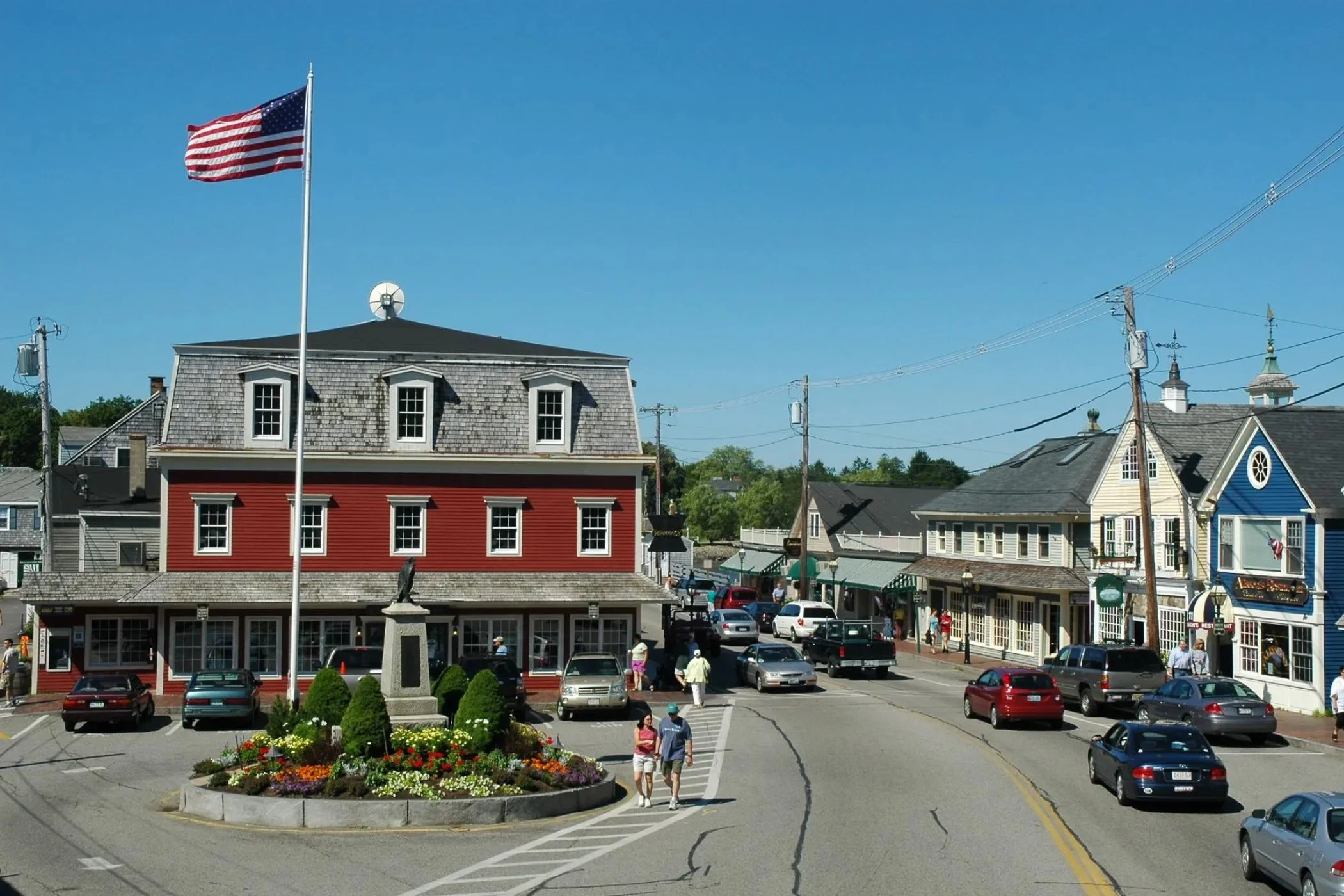
Kennebunkport, Maine | Source: King’s Port Inn
Kennebunkport has the composed, unhurried atmosphere of a town that has been doing this for a very long time. The Walker family, ancestors of the Bush family, started building their compound at Walker's Point in 1903, and it is still there, visible from the water on boat tours out of the harbor. Dock Square, the walkable center gathered around the Kennebunk River, has good galleries, strong shops, and restaurants that take their seasonal sourcing seriously.
Lobster is everywhere and the quality is high. Nunan's Lobster Hut, family-owned since 1953, is the kind of institution locals mention without much prompting, and the White Barn Inn at Kennebunk, with its consistent AAA Five Diamond rating, is worth building a dinner around. Goose Rocks Beach and Gooch's Beach are long sandy stretches that stay pleasant even through peak summer weeks, and the Schooner Eleanor runs sailing excursions from the harbor for anyone who wants to see the coast from the water.
9. Cannon Beach, Oregon
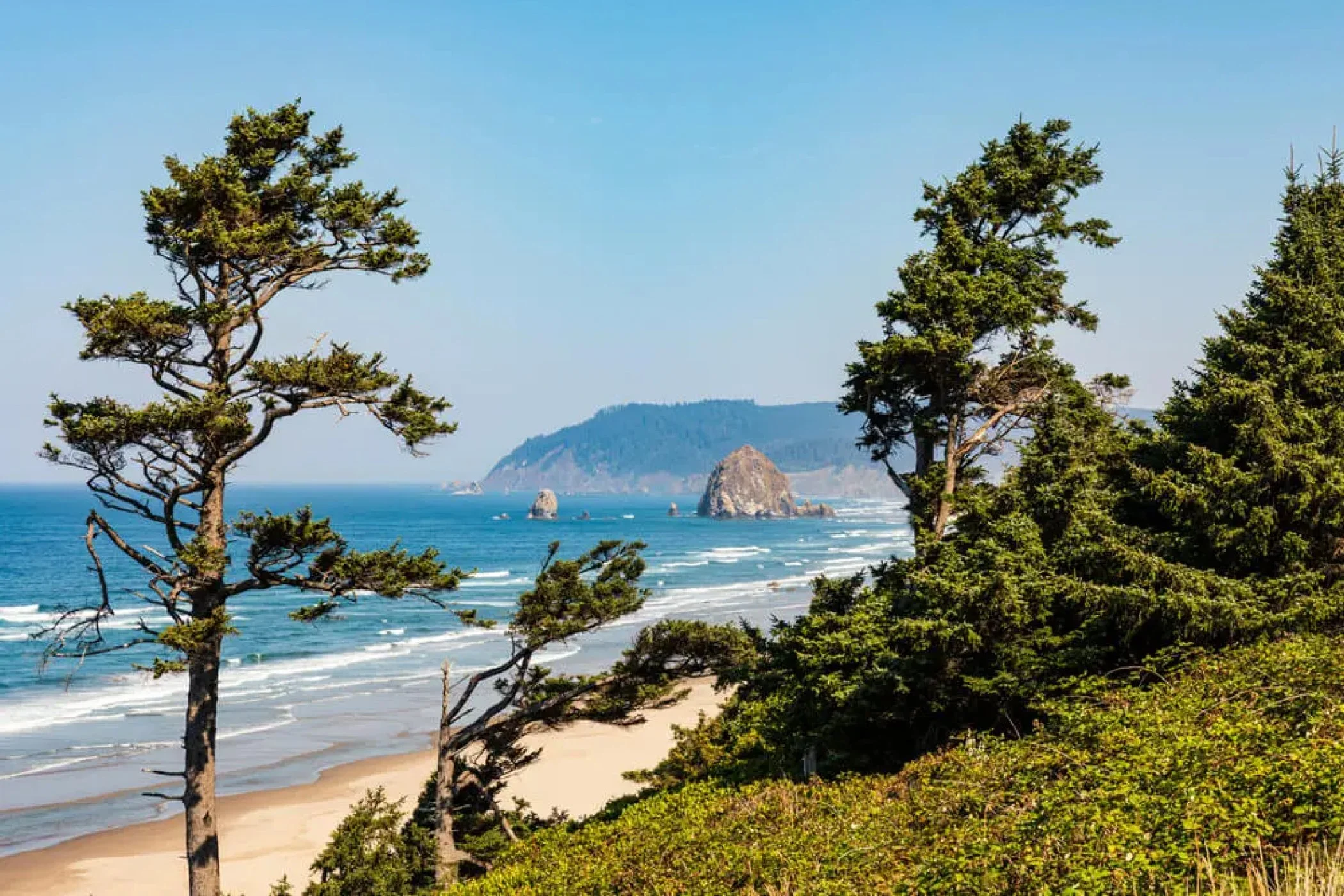
Cannon Beach, Oregon | Source: The Seashore Inn
Cannon Beach is the Oregon Coast at its most iconic: Haystack Rock rising 235 feet from the waterline, cedar-shingle buildings along the main street, and a coastal mist that settles over everything in a way that feels cinematic rather than inconvenient. National Geographic named it one of the 100 most beautiful places in the world, and the case is easiest to make at low tide, when the pools at the base of Haystack Rock fill with sea stars, anemones, and purple urchins while tufted puffins nest in the rock face above.
Hemlock Street, the main commercial strip, reflects the town's long history as an artists' colony in the quality of its galleries, glass studios, and independent shops. Ecola State Park just north of town has hiking trails through old-growth Sitka spruce, with ocean views that open through the trees without warning, including a lookout over Indian Beach worth the walk in any weather. Portland is about 90 minutes away, which makes Cannon Beach one of the more achievable versions of somewhere that still manages to feel genuinely far from everything.
10. Laguna Beach, California
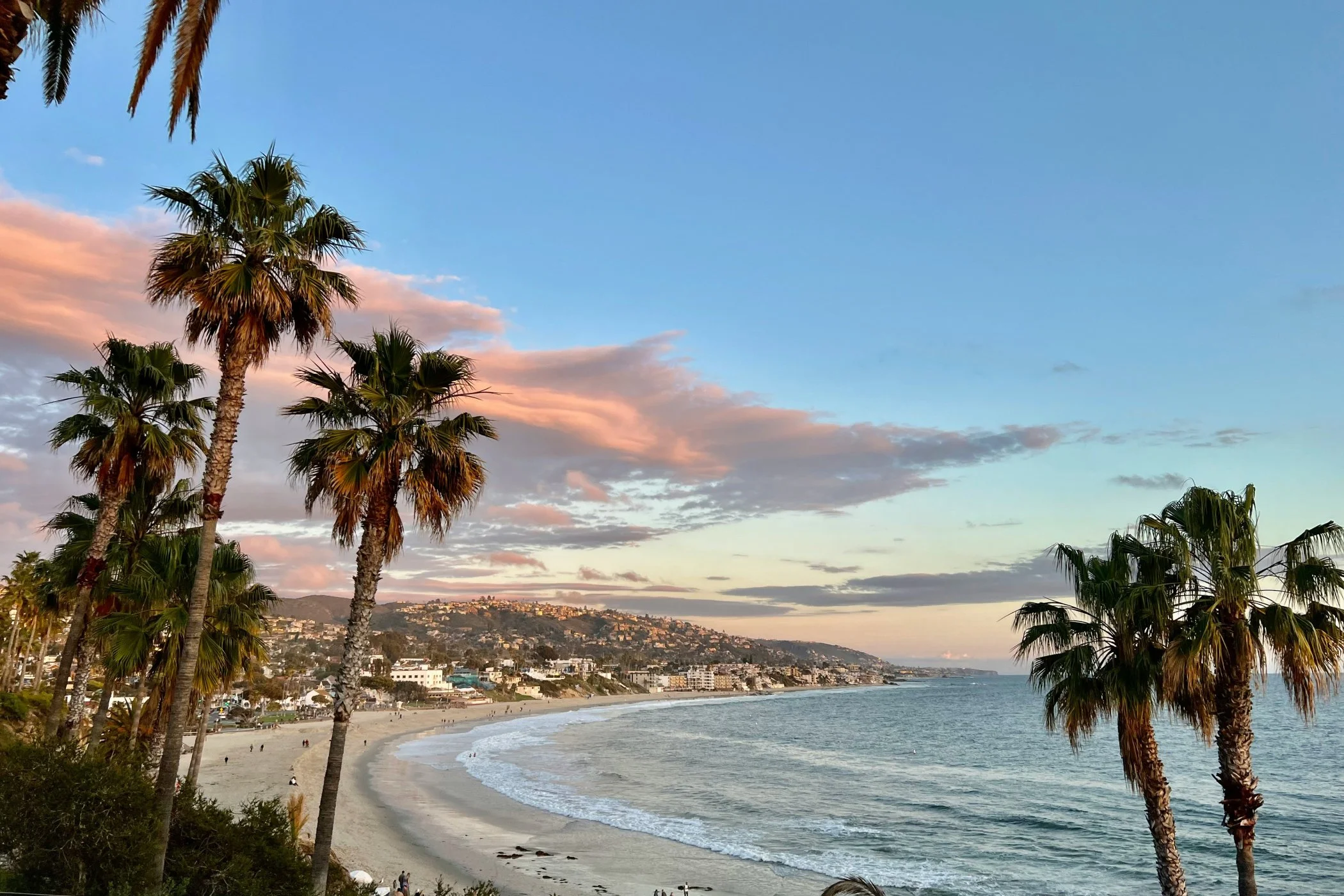
Laguna Beach has been an artists' colony since the early 1900s, when painters began arriving from San Francisco drawn by the quality of light and a coastline of coves and sandstone bluffs that gives the town a contained, almost Mediterranean feel. That history is still active: more than 100 galleries and studios are open to the public, the monthly First Thursdays Art Walk draws serious collectors alongside browsers, and the Laguna Art Museum, operating since 1918, runs one of the better programs of any small institution in California.
The beaches here are a series of coves between rocky headlands, each with its own character. Main Beach in front of downtown is the most social, with volleyball courts and a lawn that draws everyone. Victoria Beach has a peculiar Tudor-style tower rising from the sand that locals call the Pirate Tower, and Thousand Steps Beach takes a bit more effort to reach but rewards with considerably more room. Forest Avenue is where the better restaurants are, and the drive in through Laguna Canyon from the I-5, especially in late afternoon light, is one of the better approaches to any California coastal town.
Plan Your Trip
Most of these towns sit within a few hours of a major city, making a Friday departure and Sunday return genuinely workable. Shoulder season, roughly September through early November and April through May, tends to bring thinner crowds and lower rates across most properties.
For Ocracoke, book the vehicle ferry from Hatteras well ahead of time in summer, as spaces fill early. Reservations are handled through the North Carolina Ferry Division at ncdot.gov. Provincetown's high-speed ferry from Boston runs seasonally from May through October, and weekend sailings book up fast. For Cannon Beach, midweek visits in late summer offer the best combination of weather and manageable crowds.