Artist Tom Sachs’ Creative Universe Lands in a New Guide
More than an art book, this guide follows the questions, materials and ideas that have fueled Tom Sachs’s world for forty years.
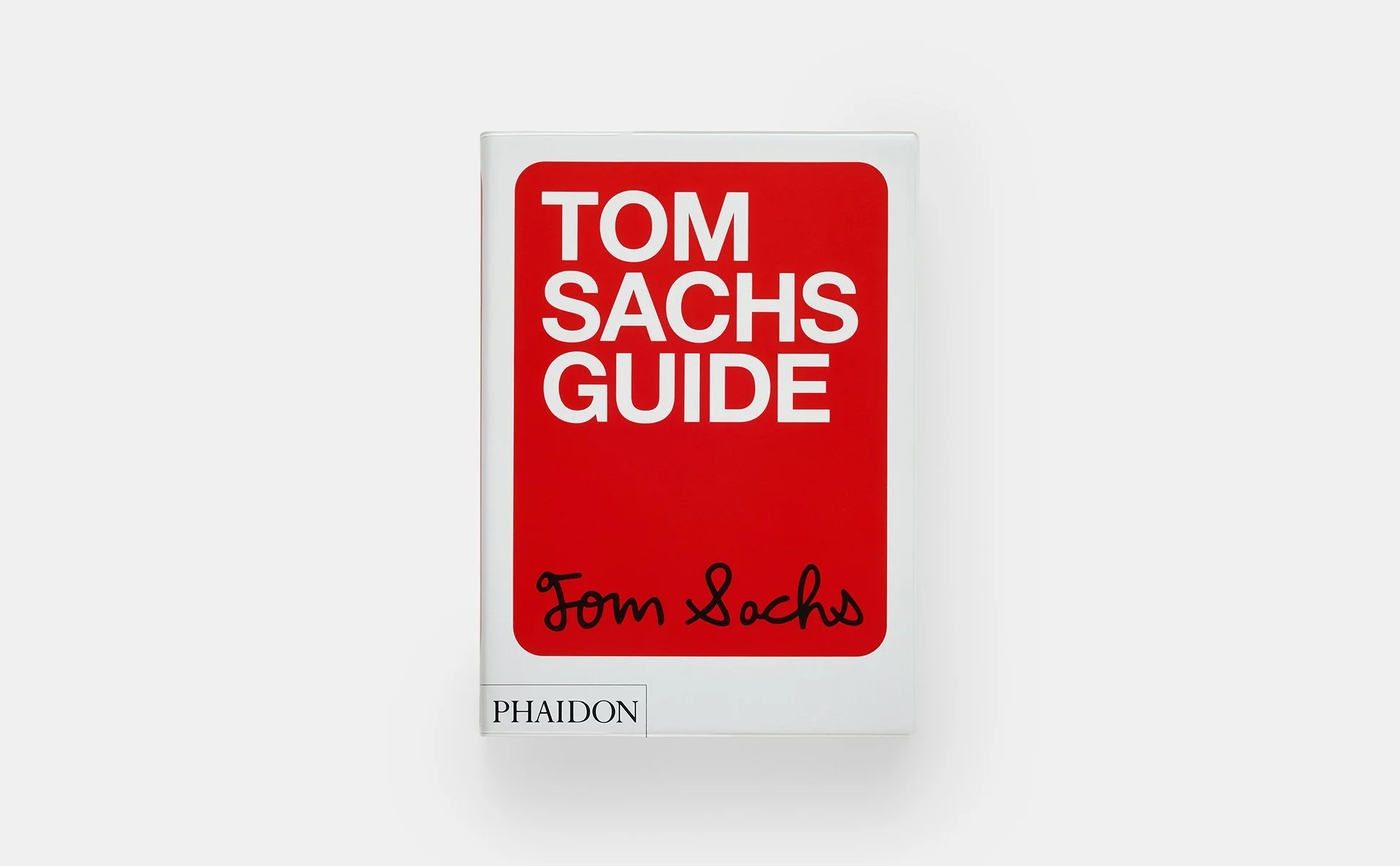
Tom Sachs Guide | Tom Sachs, Yeju Choi, and Howie Kahn | Courtesy of Phaidon
There is a sense of purposeful chaos in Tom Sachs’s studio. It’s the kind that comes from decades of making things by hand, from plywood towers and foam-core furniture to functioning radios and space suits stitched together with whatever fabric happened to be on hand. Tom Sachs Guide, published by Phaidon this December, captures that controlled disorder with unusual precision. It feels like walking through his world with the studio lights still on.
The book spans twenty-two chapters, each devoted to a facet of his practice. Art and Architecture. Brands and Utopians. Sound Systems. Furniture. Tea Ceremony. These are not categories so much as entry points into the logic of an artist who builds meaning through repetition, craft and curiosity. Across more than 650 images and twenty-three new essays, the Guide redirects the reader’s attention to the materials that have shaped his work, and the systems that keep his studio running day after day.
Where It Started
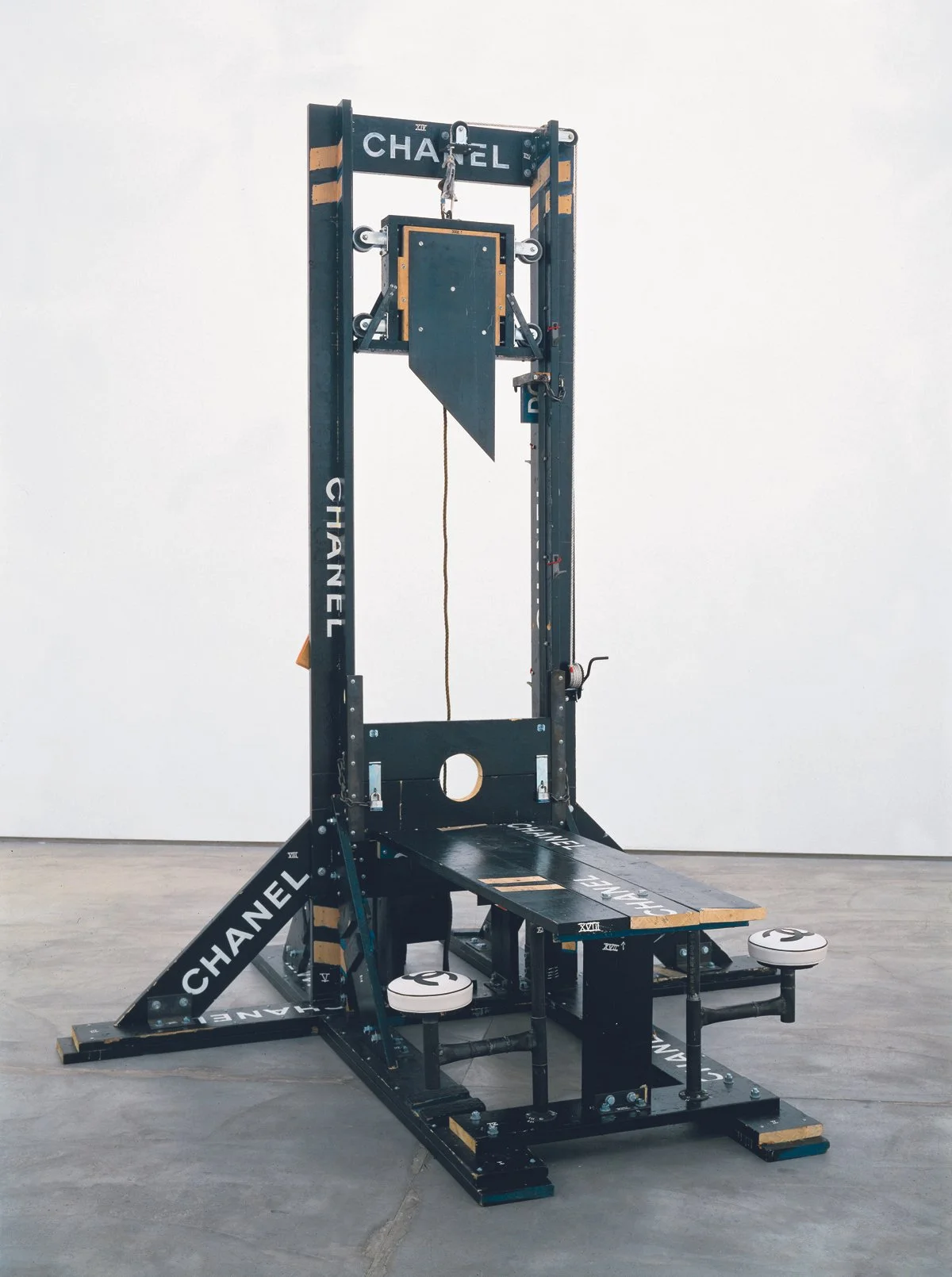
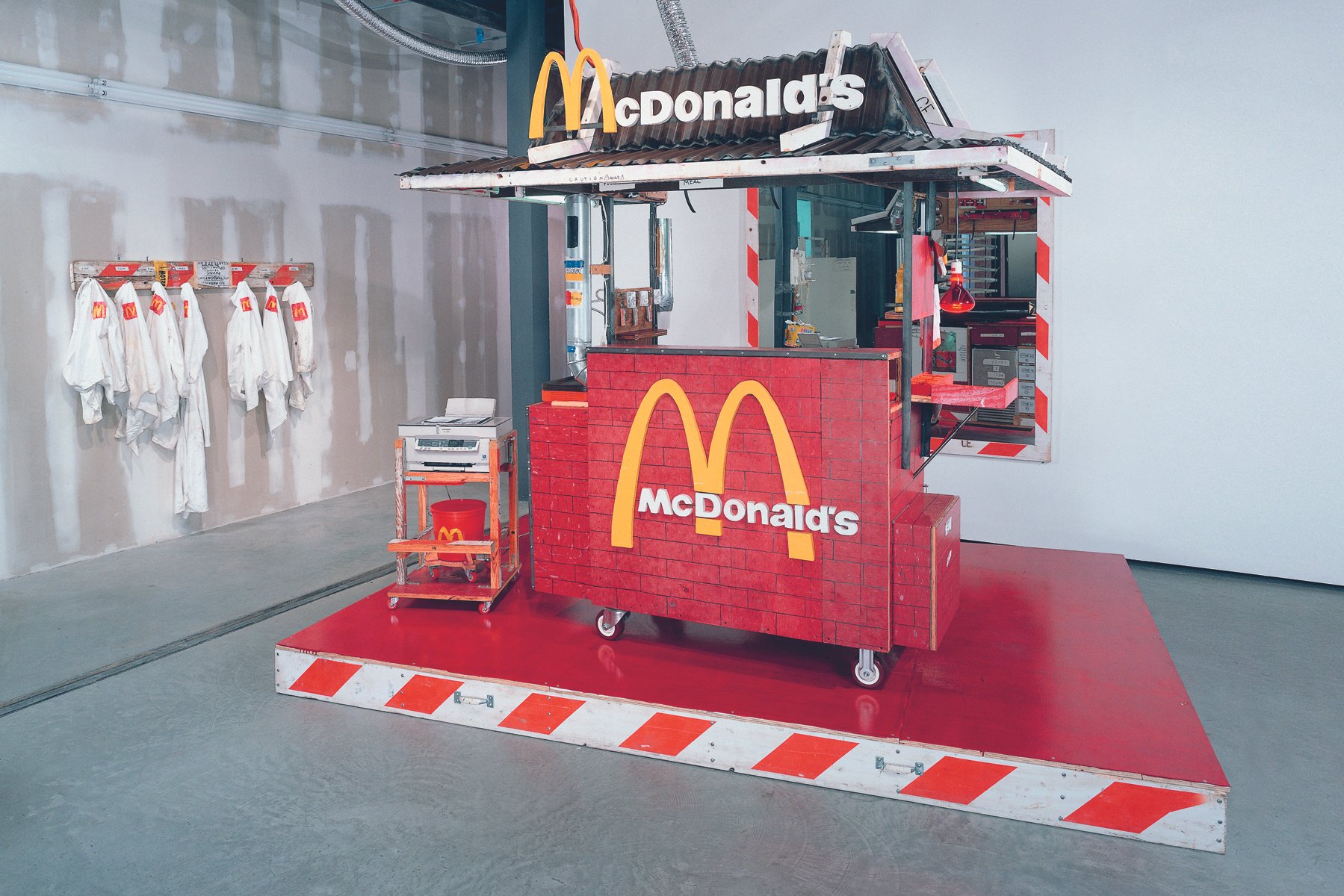
Tom Sachs, born in 1966, grew up in Connecticut, studied at the Architectural Association in London, and settled in New York in the early 1990s. Those early years produced the foundation for the sculptural language he still uses today. He worked with what he had: plywood, glue, phone books, foam core, Sharpies, packing tape. The first pieces that caught attention were his remakes of luxury objects and design icons. A McDonald’s meal rebuilt out of Hermès and Tiffany & Co. packaging. Knoll chairs re-engineered with duct tape. A Chanel-themed guillotine that was both sincere and absurd. Each one revealed how much he could say with simple materials.
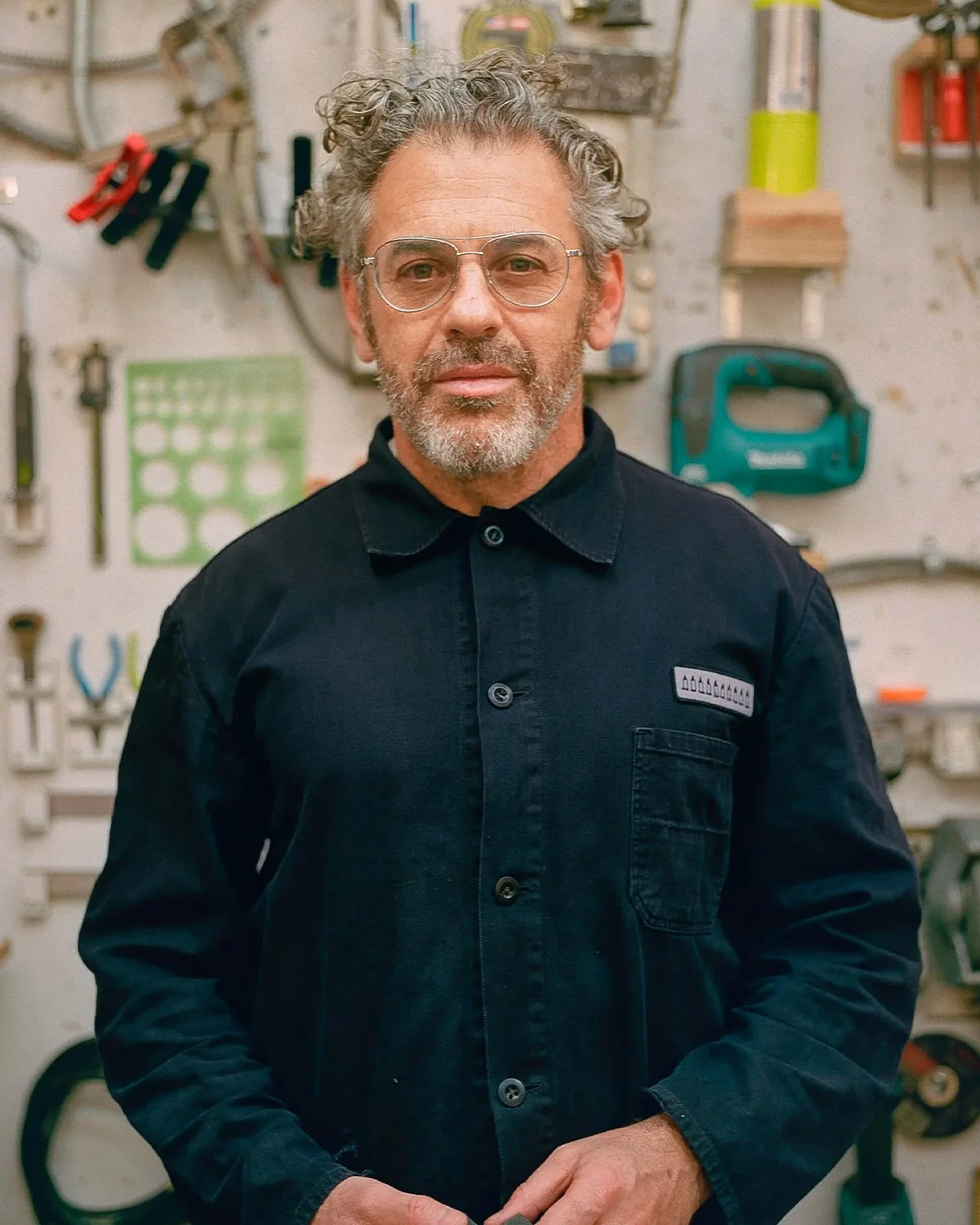
Tom Sachs | Photo by Liam Goslett
The book revisits these early works not as provocation but as a record of a young artist learning through making. The seams, screws and handwritten labels show how he re-framed familiar symbols with effort rather than polish. These objects also introduce a recurring thread in his practice: reverence and skepticism can coexist. Sachs admires the history of modern design, but his versions are always filtered through a hand-built sensibility that resists perfection. This early period becomes an origin story, grounding the reader in the impulses that shaped everything that followed.
The Studio as a Universe
Sachs’s studio in New York is central to the mythology of his work. After three decades in the same space, it resembles part workshop, part laboratory, and part living archive. Walls are lined with handwritten notes, mottos, tool racks and prototypes. The energy is deliberate rather than chaotic; everything has a purpose, and everything shows the mark of a hand. The Guide spends as much time inside this environment as it does on the finished projects, underscoring how much of the artist’s world is rooted in ritual and labor.


Inside the book, the studio comes forward as a character of its own. Charts, lists and process notes reveal the systems that support the work and the mindset that keeps the place moving. The structure reflects the trio behind the book: Sachs, designer Yeju Choi and writer Howie Kahn. Choi, who has collaborated with Sachs on four previous titles, guides the visual pace of the pages with a clarity that echoes the workshop’s logic. Kahn, a New York Times bestselling author, threads the text with a calm steadiness that lets one project lead naturally into the next. Their contributions let the reader move through the material with the same sense of order and momentum that runs through the studio.
“If you make art and say you’re an artist: you’re an artist.”
— Tom Sachs, Tom Sachs Guide (2025)
Projects That Built a World
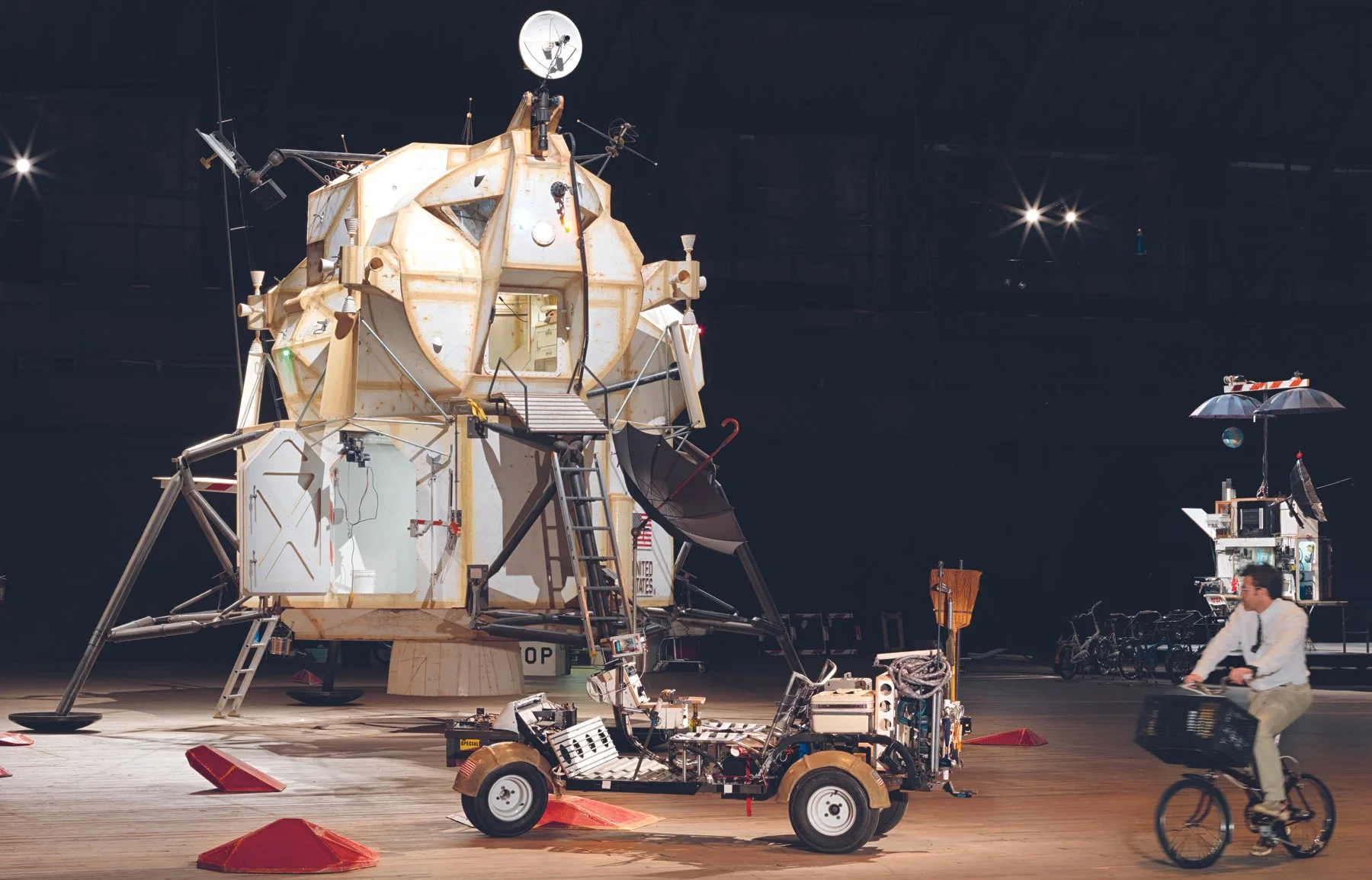
Sachs became widely known for the major projects that shaped his public profile. His Space Program, a long-running series that stages space missions using plywood, wires, foam and hand-built equipment, remains one of the clearest examples of his belief that ambition and resourcefulness can work side by side. The Guide traces these missions with a sense of scale, showing how each installation grew from drawings, prototypes and test runs. It also places these performances next to smaller bodies of work like the Tea Ceremony, his Modernist tributes and his recurring boombox sculptures, revealing how all of them belong to the same creative ecosystem.
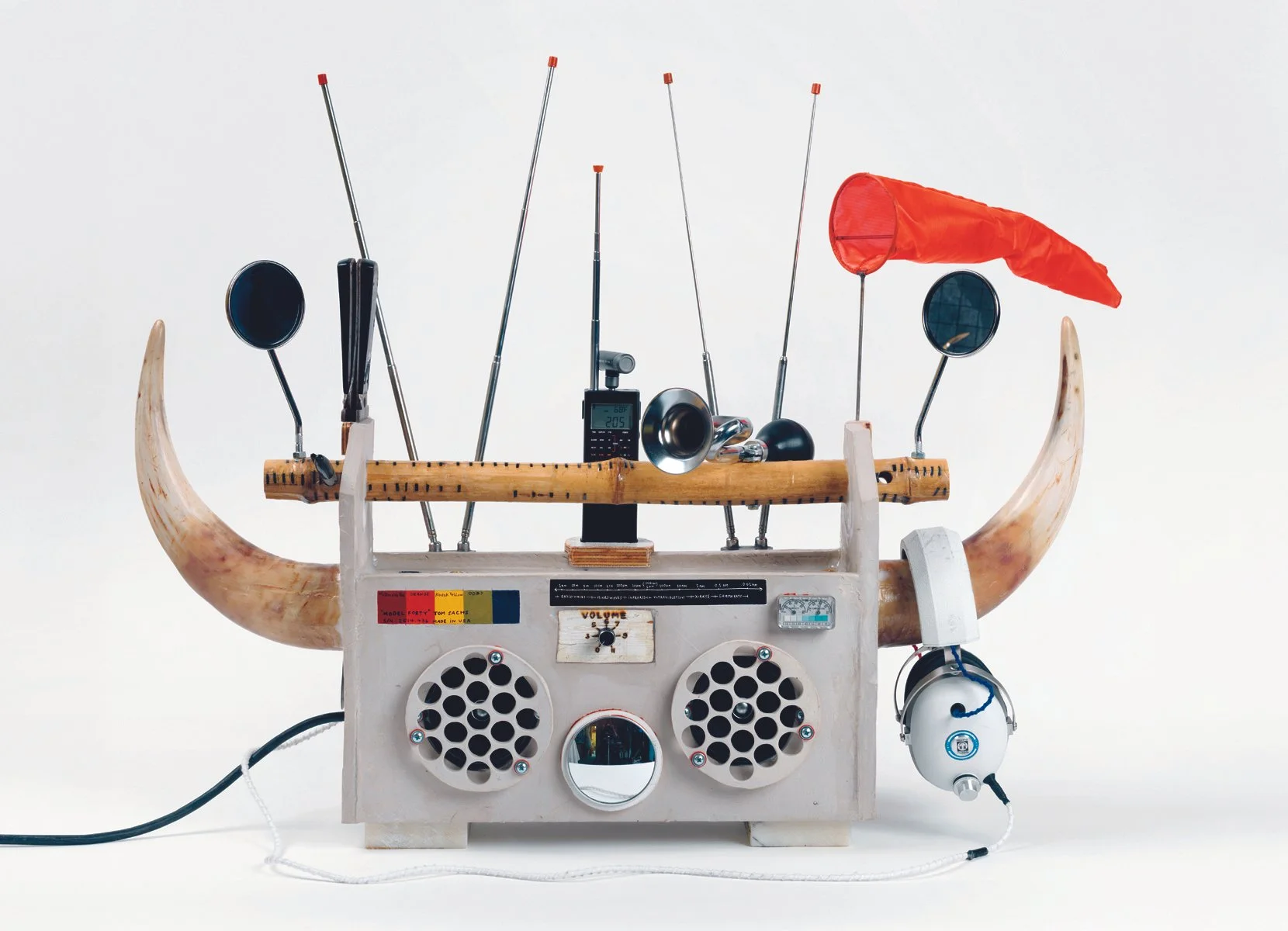
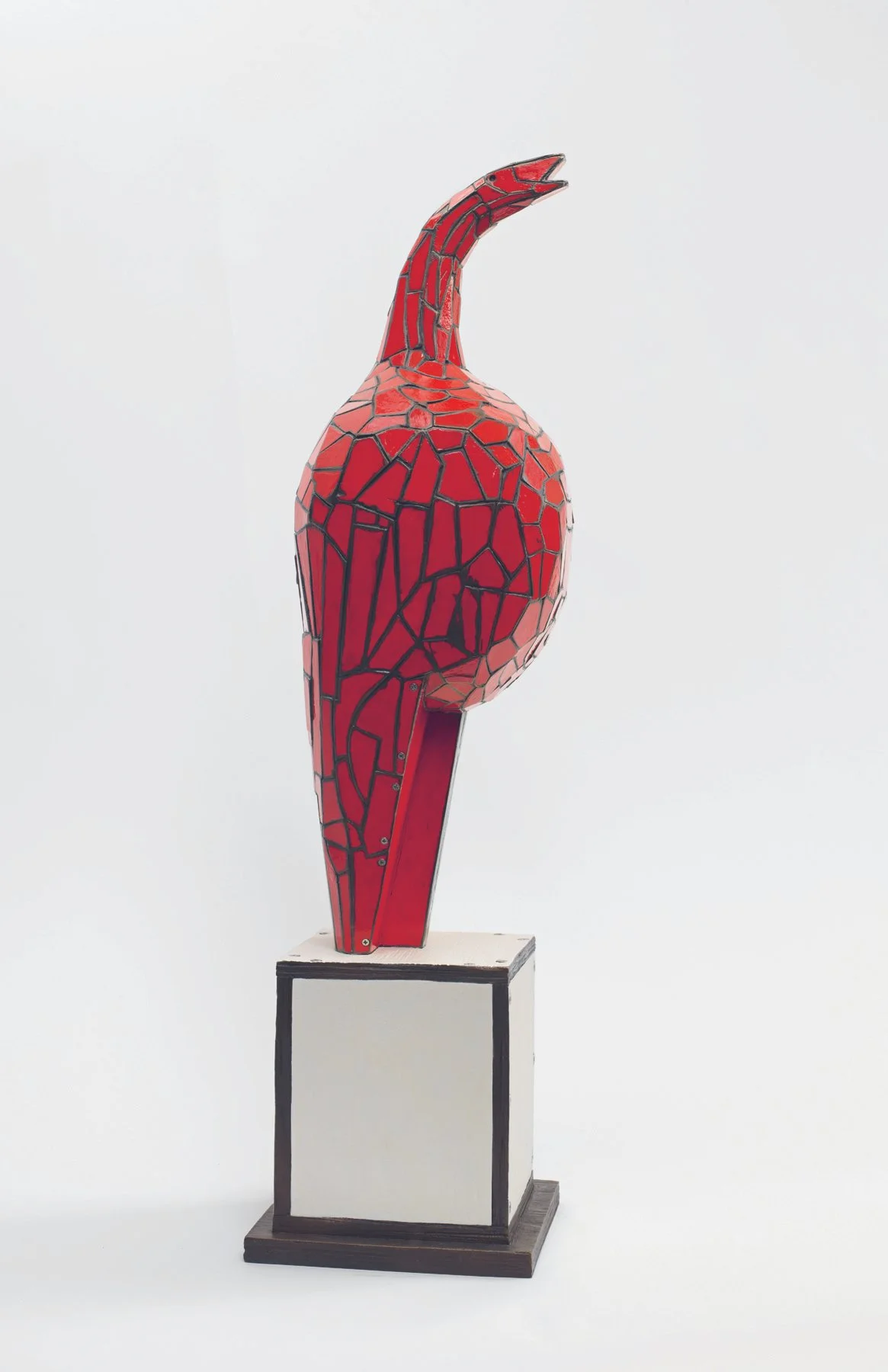
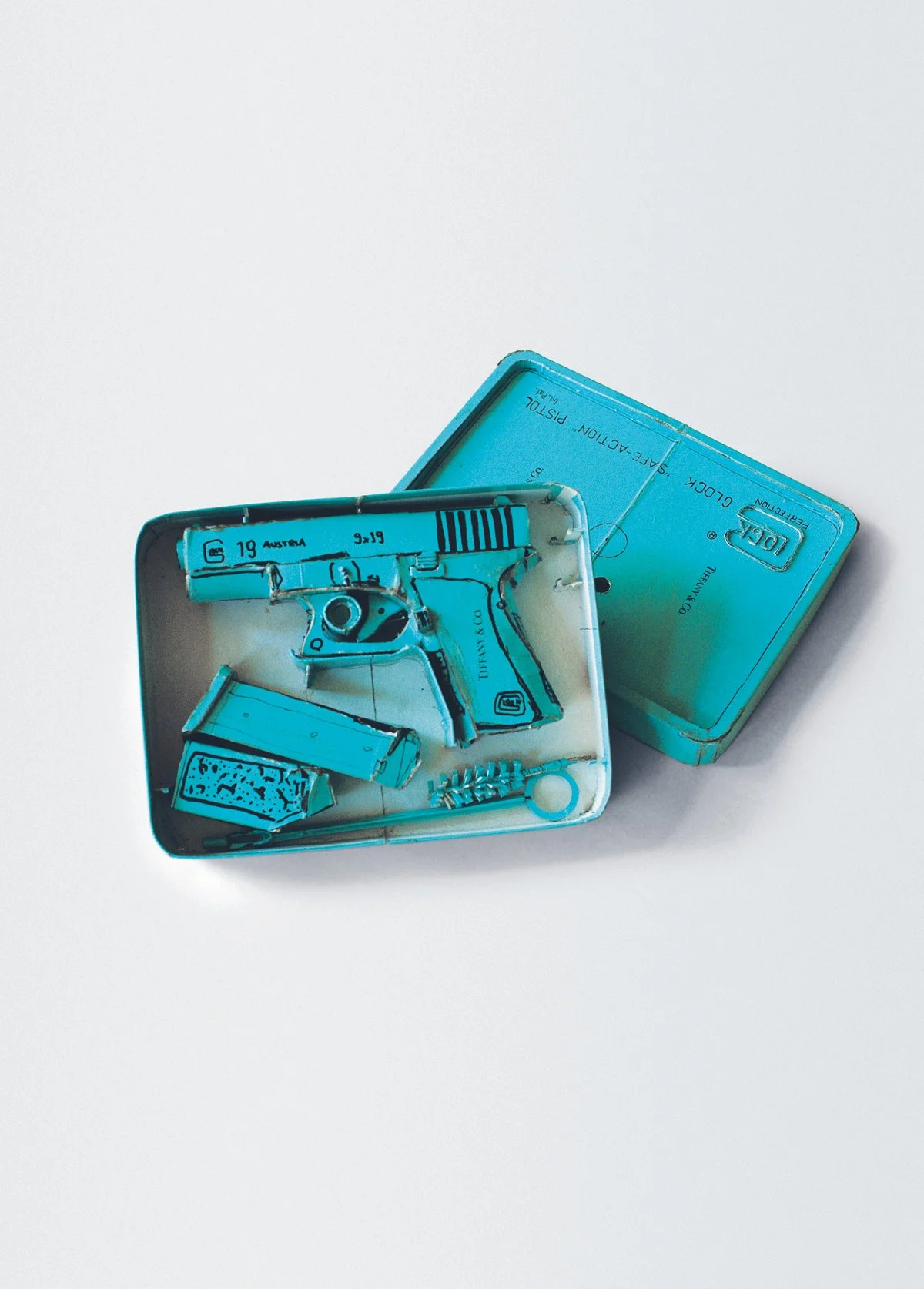
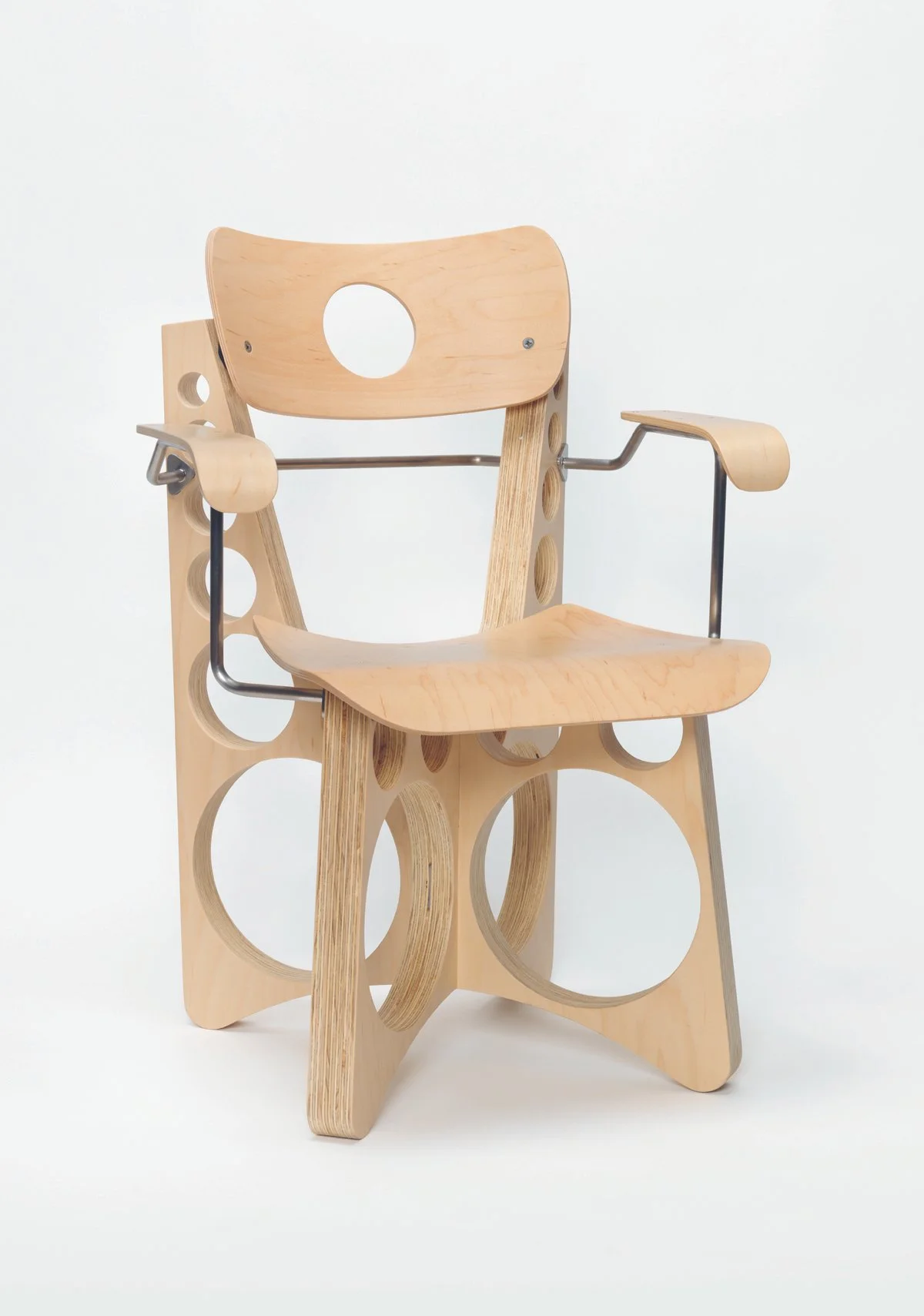
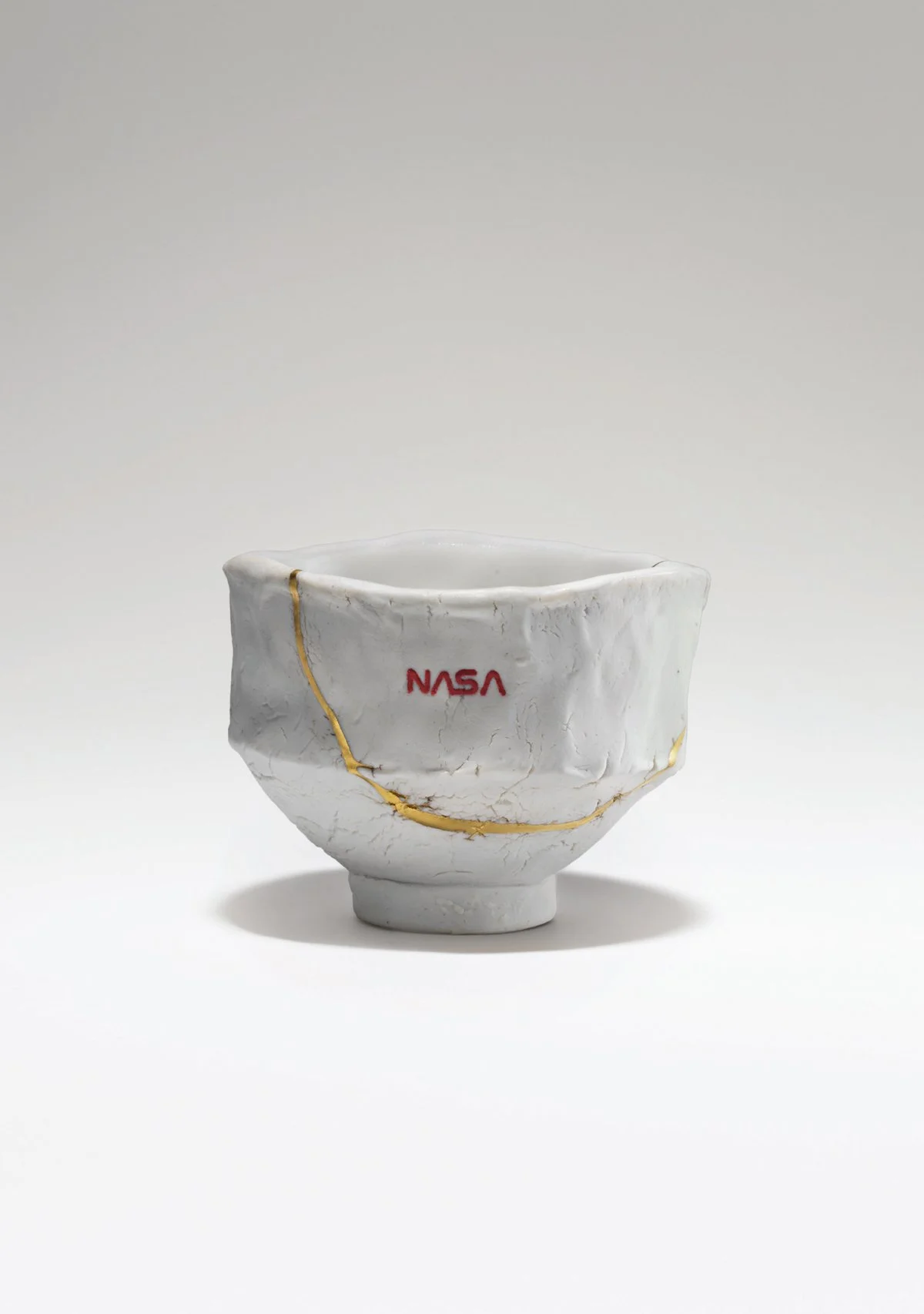


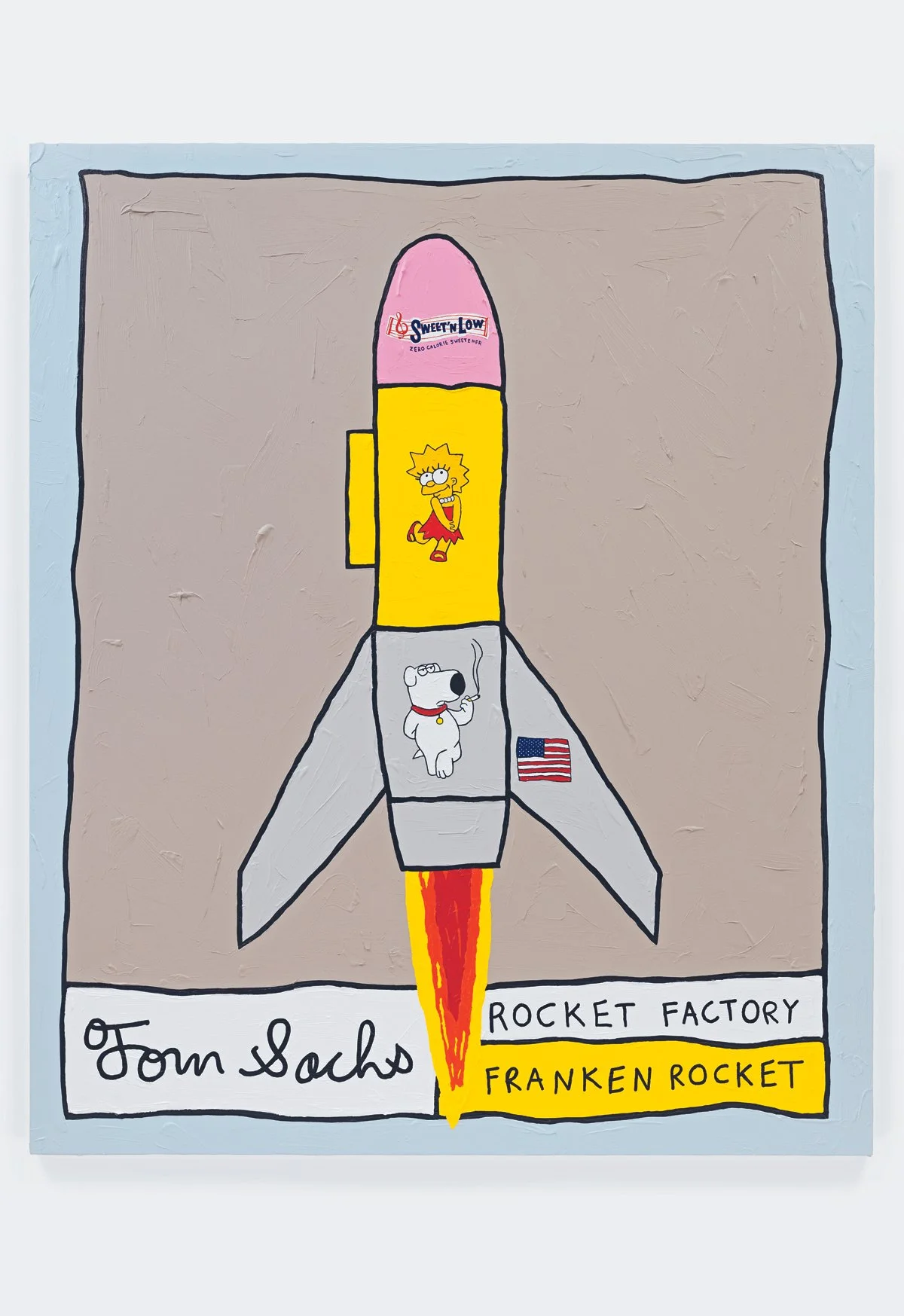
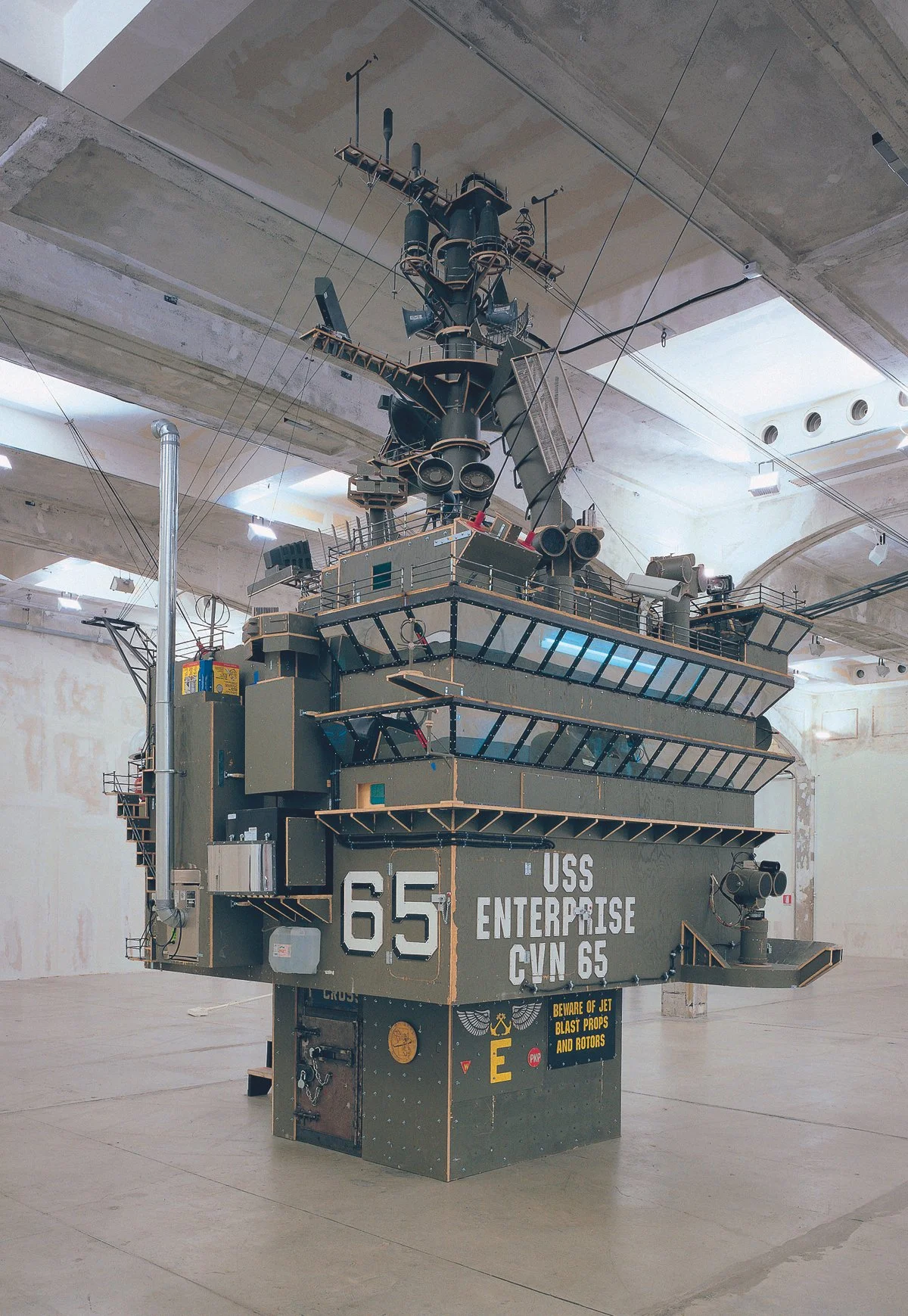
Later chapters fold his NikeCraft collaborations into this wider universe. Rather than treating them as a standalone design venture, the book folds them into the broader logic of his practice. The Mars Yard shoes, the General Purpose Shoe and the apparel made with Nike are presented as extensions of the same approach that governs his sculptures: learn the material, understand the problem, make the thing by hand. The Guide does not elevate one medium over another. Whether the object is a ceramic vessel, a space suit, a chair or a sneaker, the same values shape the work: curiosity, persistence and a belief that labor is inseparable from meaning.
A Guide That Brings It All Together
Tom Sachs Guide arrives at a moment when audiences are hungry for clarity about how artists think and work. The book answers that impulse by offering a coherent map of Sachs’s world, outlining his materials, systems, collaborators and the ideas that have followed him for forty years. It is the most complete look at his practice to date and an invitation to walk through the studio without needing to be there in person.
For anyone drawn to the way art, design and culture intersect through effort and imagination, this Guide is the clearest path in. It is now available on both Tom Sachs’s website and Phaidon.com.
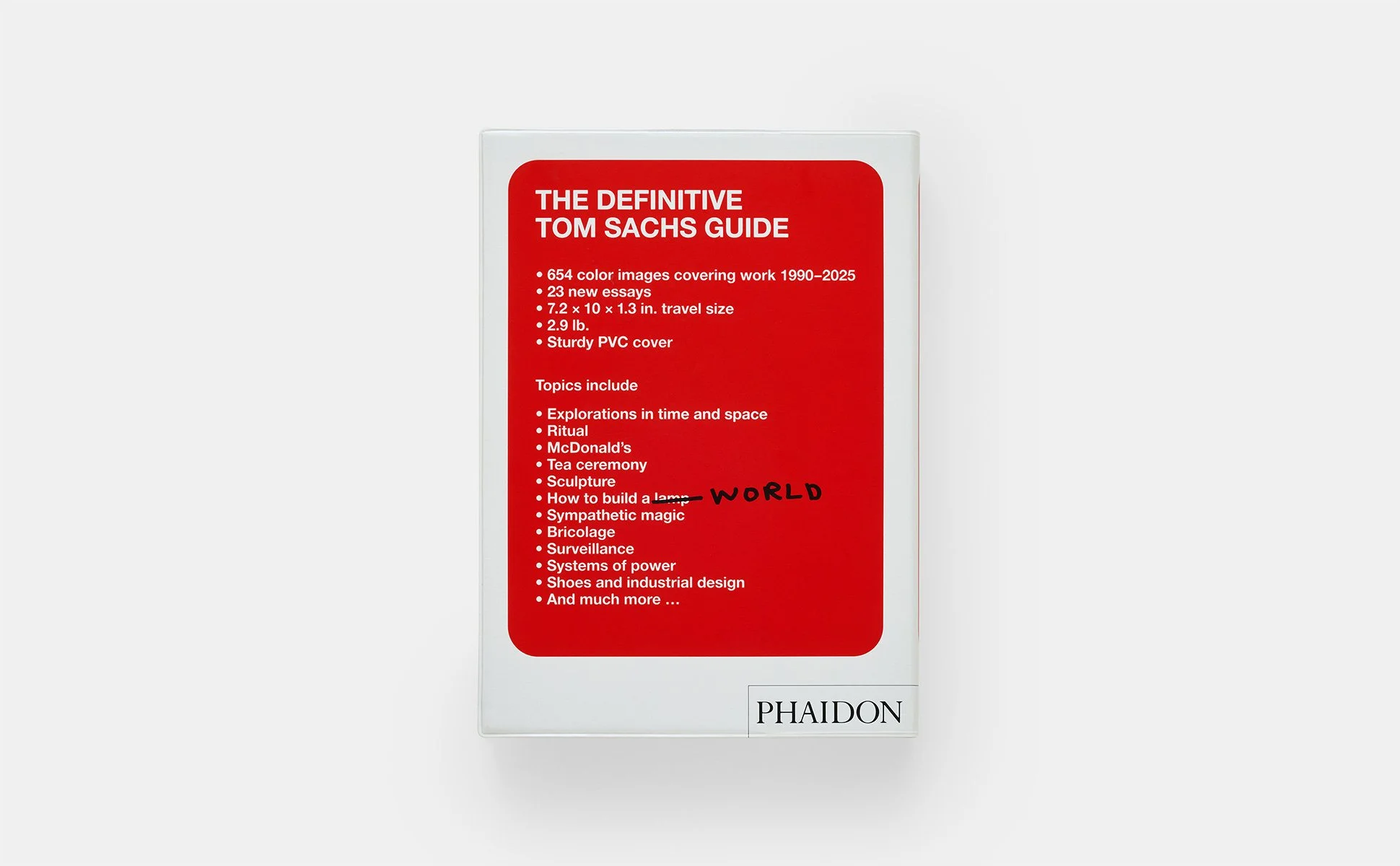
Tom Sachs Guide | Tom Sachs, Yeju Choi, and Howie Kahn | Courtesy of Phaidon
BOOK DETAILS
Title: Tom Sachs Guide
Authors: Tom Sachs, Yeju Choi, Howie Kahn
Publisher: Phaidon
Publication Date: December 2025
Price: $89.95 US / $115.00 CAN
Format: Paperback with PVC cover
Extent: 528 pages
Images: Over 650 photographs and documents
Available from: Tom Sachs’s website and Phaidon.com