10 Design and Architecture Books for a Dose of Inspiration
From iconic houses to everyday objects, ten books worth reaching for when you need a fresh idea.

Source: Pinterest
Inspiration has a way of showing up everywhere. A building you pass on the street, a chair in a hotel lobby, a room in a film, a color combination you screenshot and forget about for six months. We are constantly collecting references, whether we realize it or not.
Design and architecture books are particularly good places to find more of them. For this list, we’ve picked 10 books on subjects ranging from Charles and Ray Eames’s residential architecture and Japanese design to West Coast modernism, Dieter Rams, John Pawson, Herman Miller, and Ettore Sottsass. Think of them as a more permanent reference folder, ready whenever you could use a fresh idea.
1. The Eames Houses: Charles and Ray Eames Residential Architecture
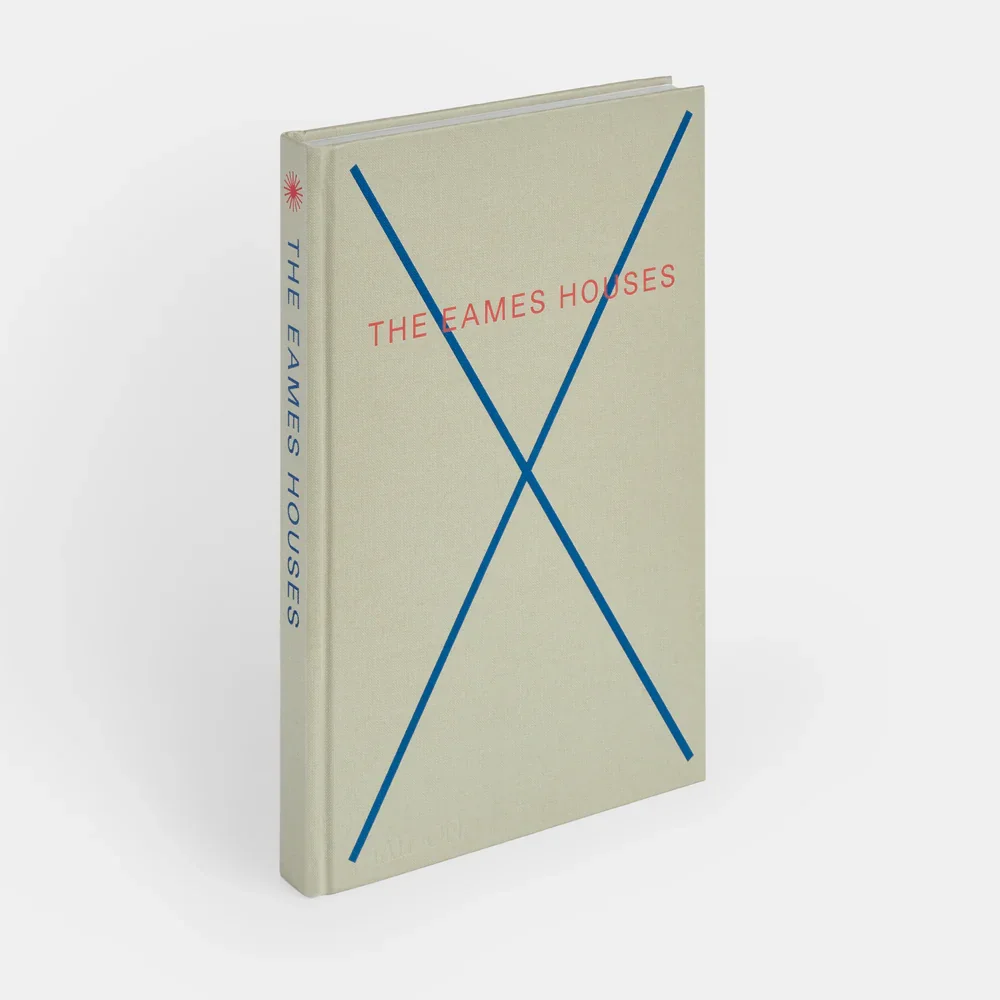
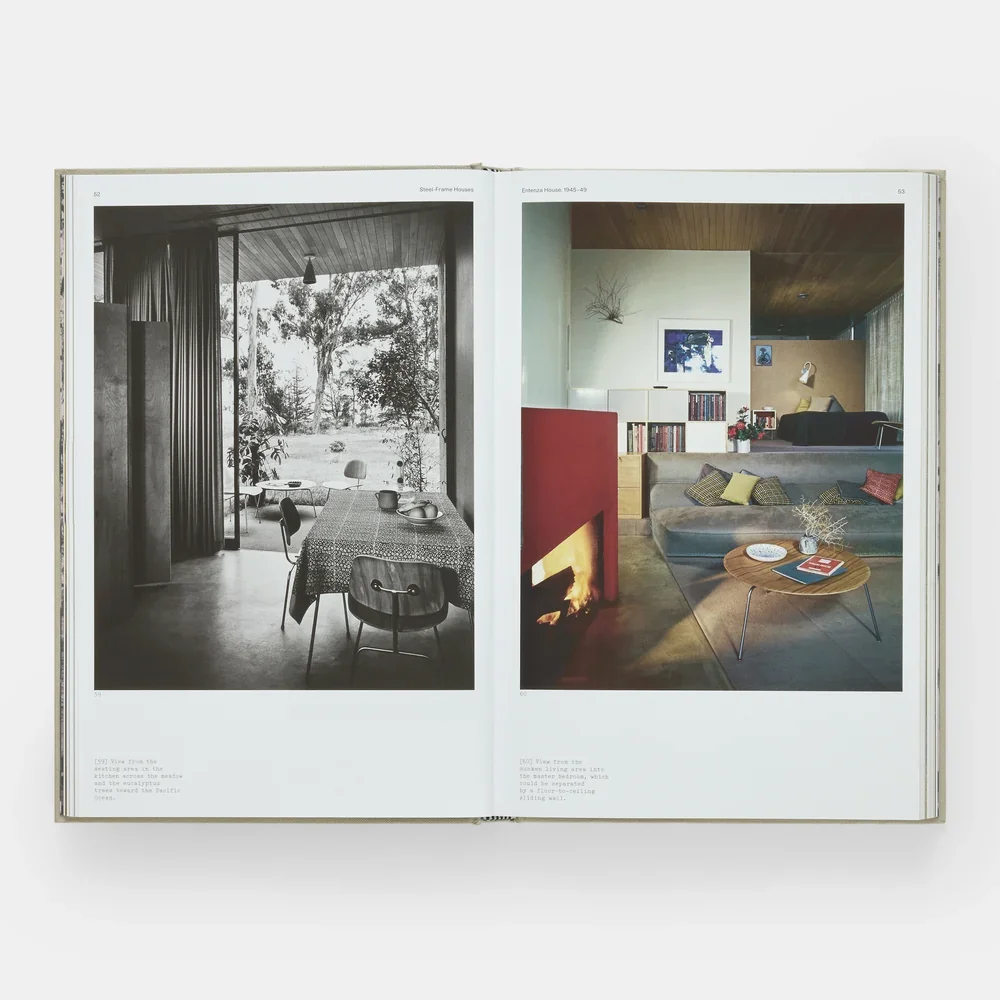
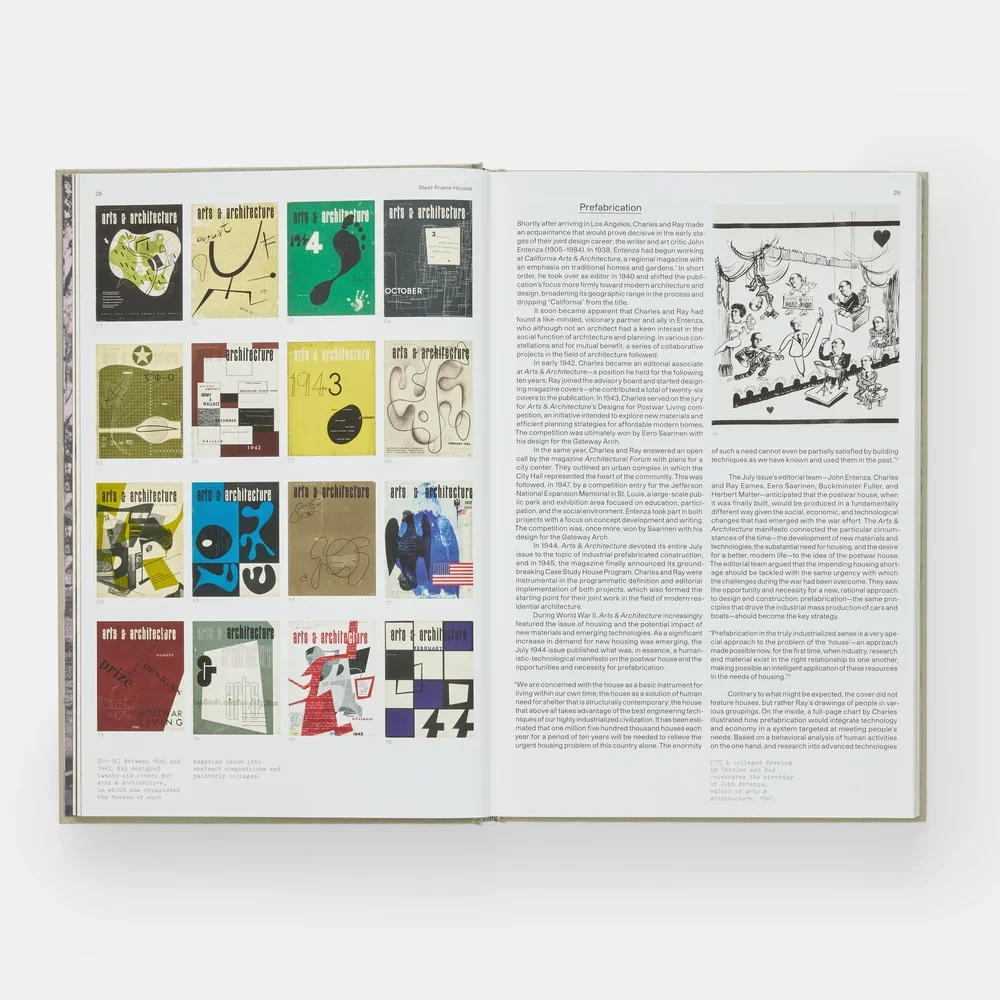
Charles and Ray Eames are widely known for their furniture (who hasn’t seen the Eames Lounge Chair and Ottoman?), but The Eames Houses turns its attention to their residential architecture. It brings all eight houses they designed between 1945 and 1955 into one volume, along with several projects that have never been published before.
There is plenty to pore over, including sketches, drawings, letters, photographs, newly made diagrams, and models that offer a closer look at how the houses developed. One of the six chapters is devoted entirely to Case Study House No. 8, with new photography and material from the Eames Office archives. The book also connects the houses back to the couple’s work in furniture, exhibitions, film, toys, textiles, and graphic design, making it easier to see the ideas that carried from one medium to another.
2. WA: The Essence of Japanese Design
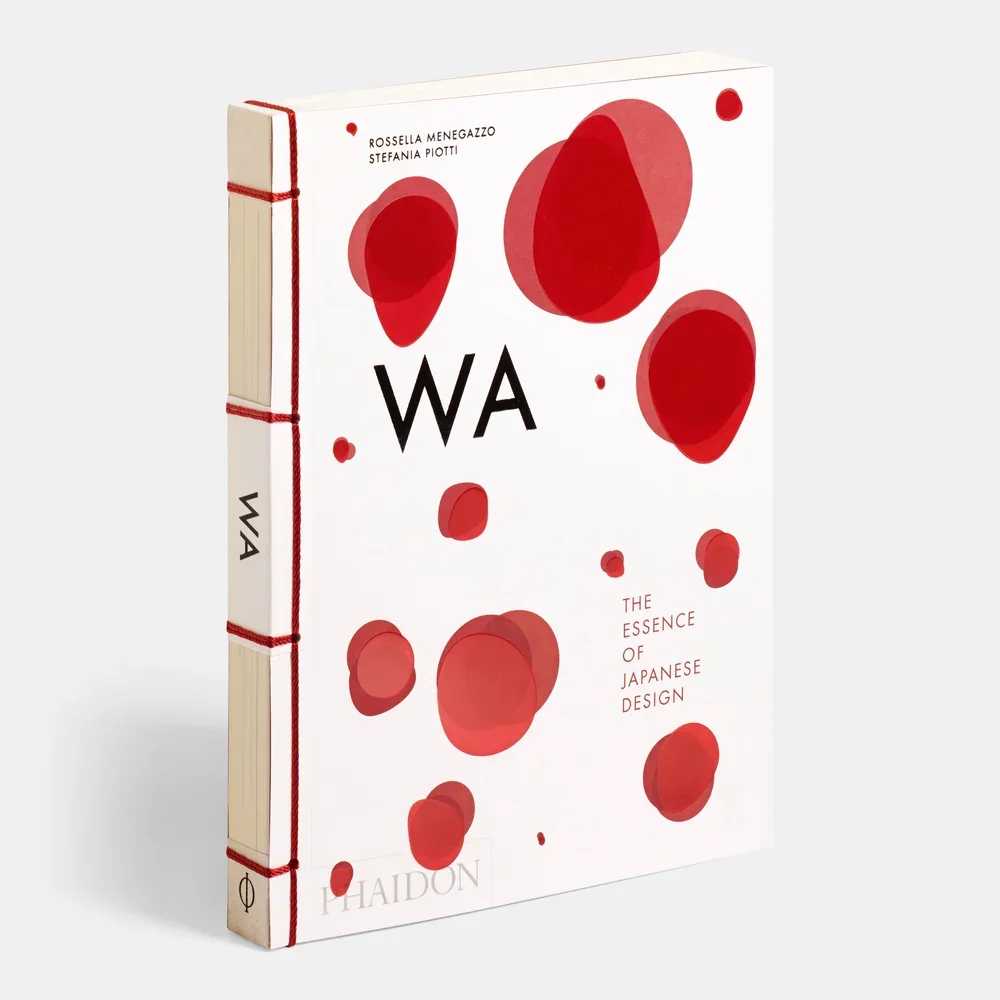
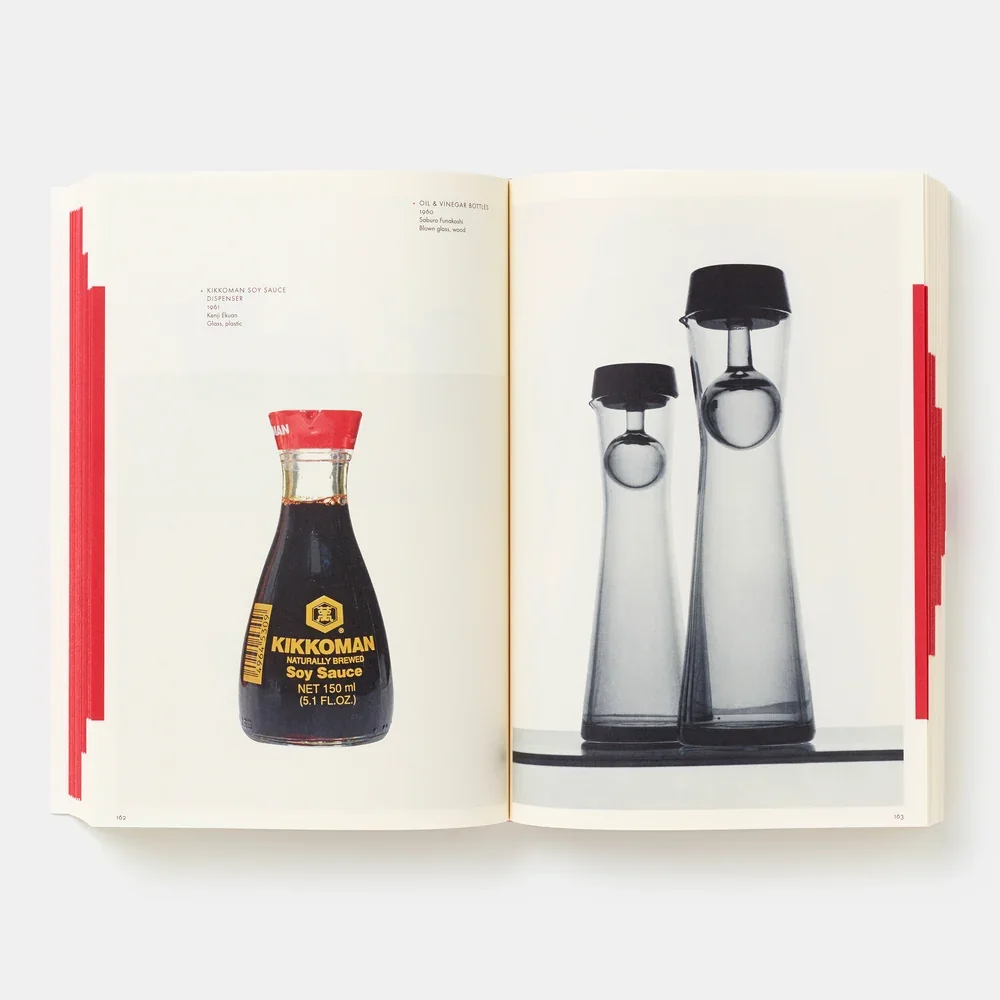
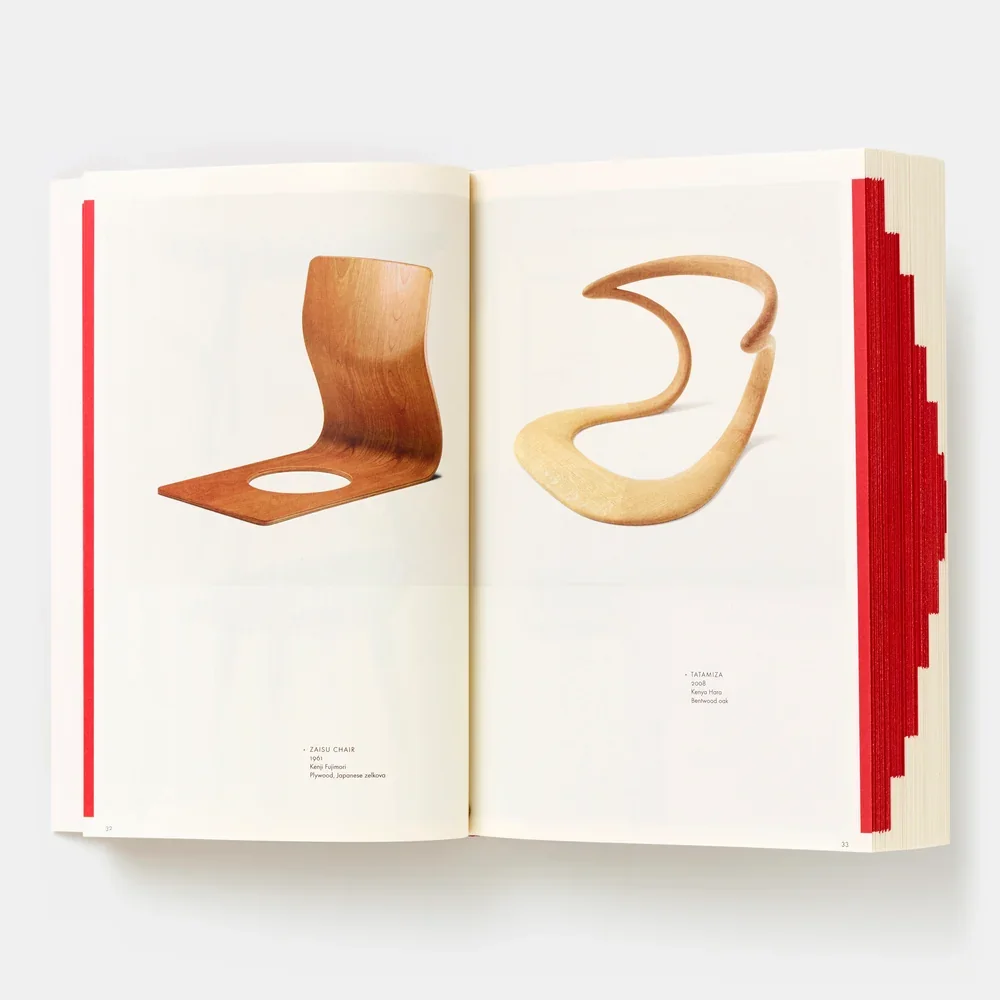
WA: The Essence of Japanese Design looks at contemporary Japanese design through around 300 objects, from packaging and things used every day to interiors and lighting. Instead of arranging everything by period or by designer, the book sorts the objects according to material, with sections devoted to wood, bamboo and lacquer, paper, metal, textiles, ceramics, and synthetic materials.
Looking at the objects this way puts more attention on what they are made from and how those materials are used. It also opens up a larger conversation about the way Japanese design can draw from tradition while continuing to experiment. Work by Sori Yanagi, Shiro Kuramata, Naoto Fukasawa, and Tokujin Yoshioka is included, along with an introductory essay by Kenya Hara. The selection also considers the influence that distinctly Japanese design has had on Western culture.
3. Mid-Century Modern Architecture Travel Guide: West Coast USA
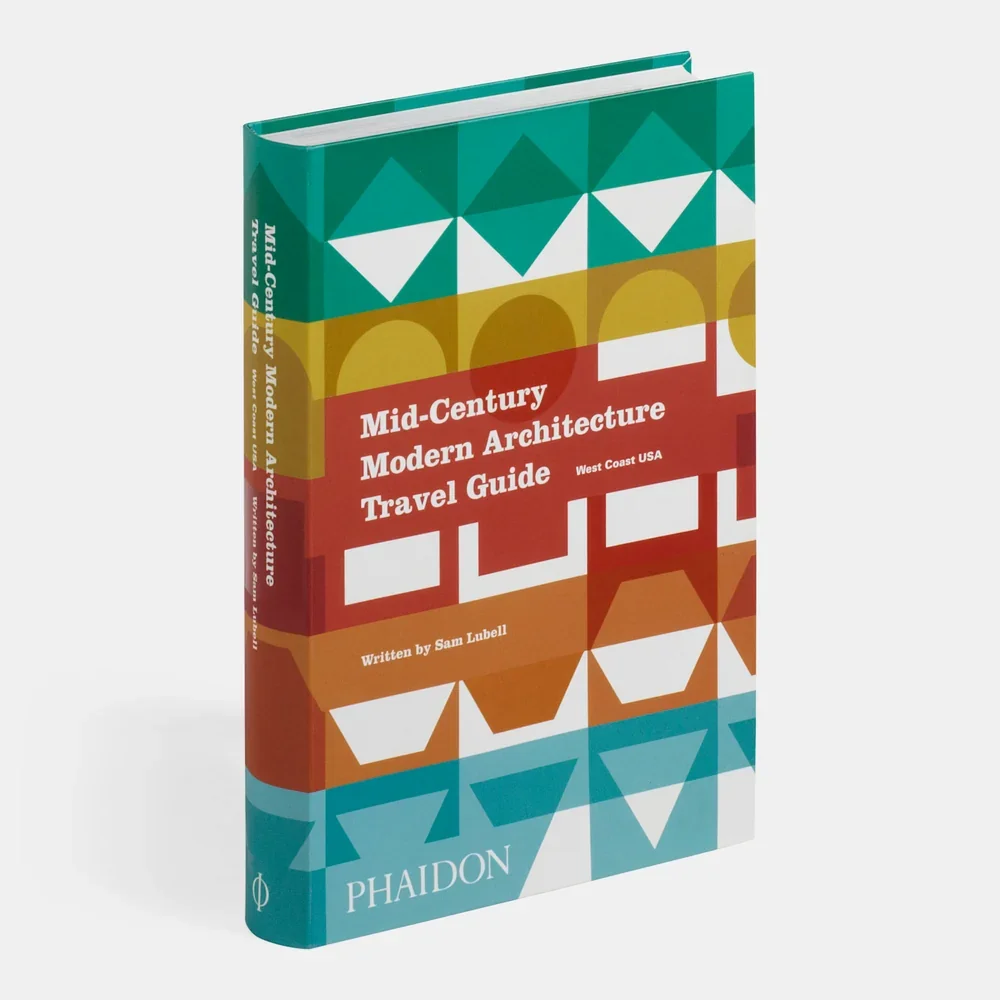
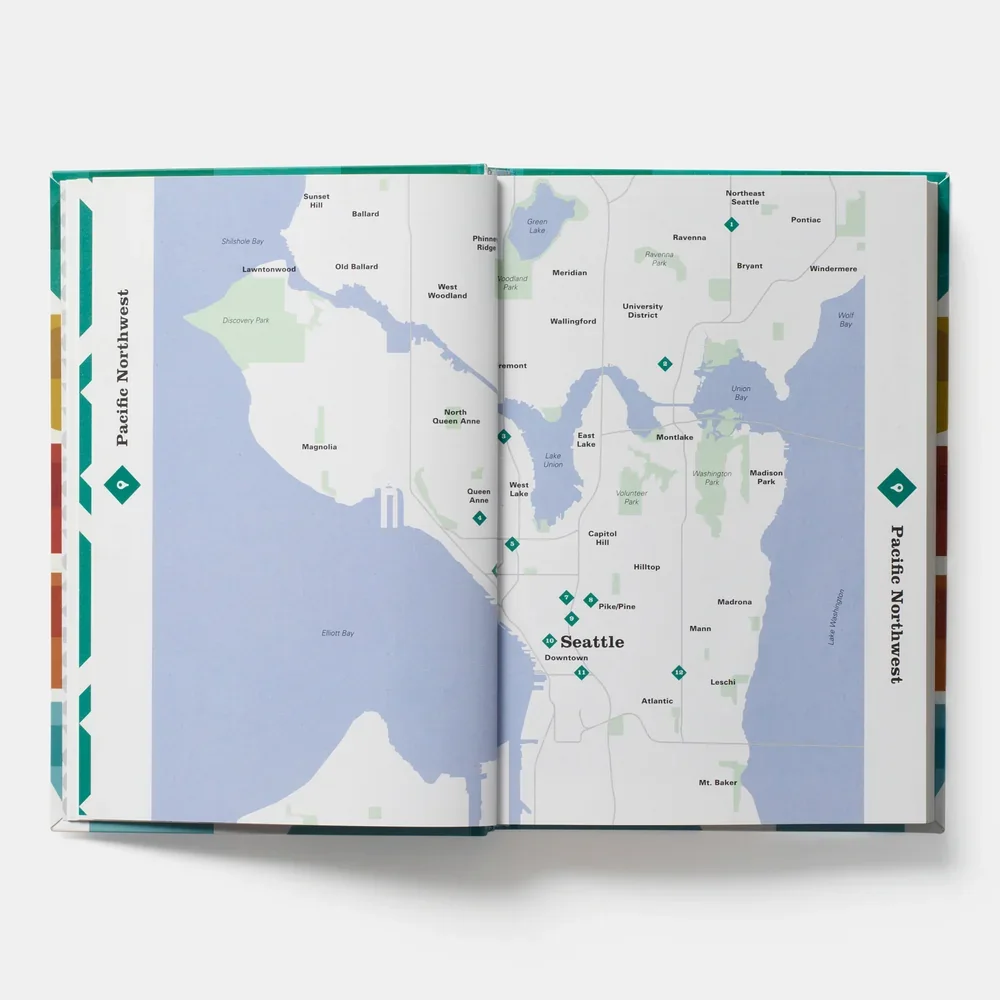
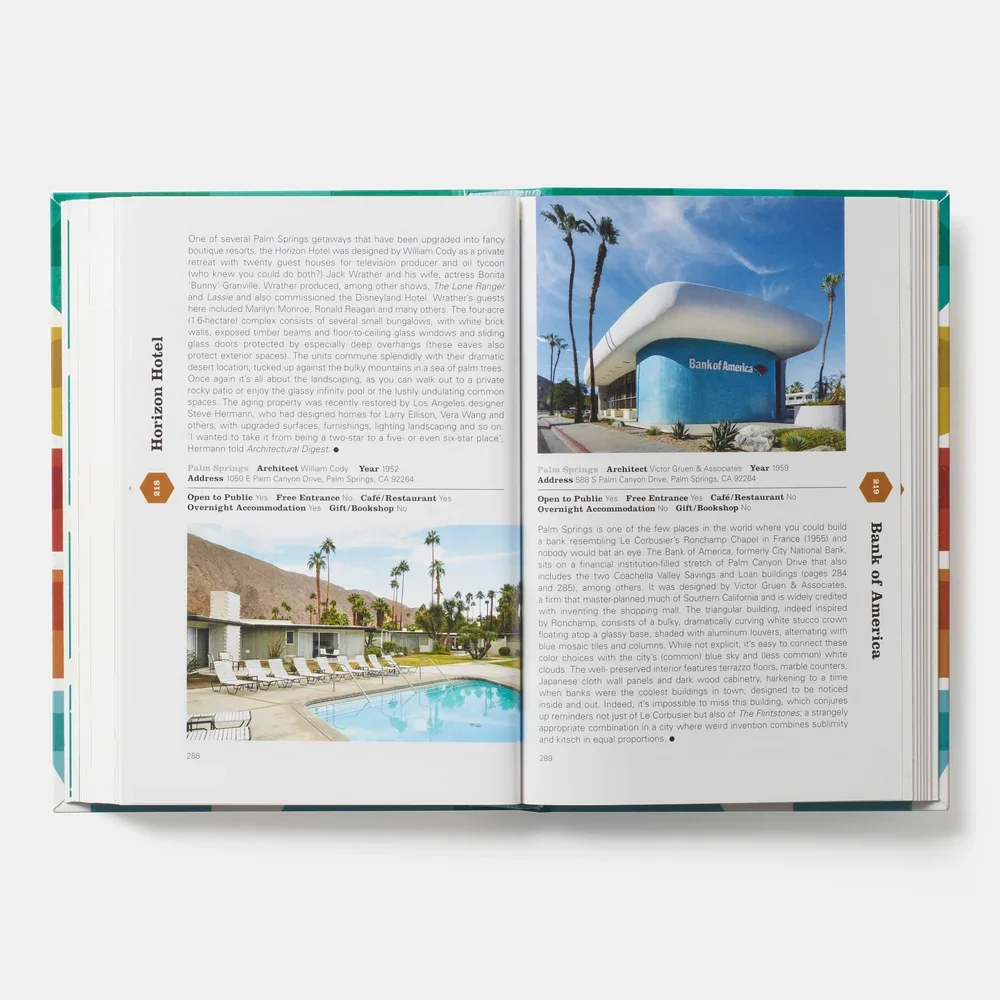
If architecture is one of the reasons you travel, this one may end up doing double duty. Mid-Century Modern Architecture Travel Guide: West Coast USA pulls together 250 places to see across the West Coast, from well-known Modernist landmarks and Case Study houses to lesser-known buildings and the desert architecture of Palm Springs.
Firsthand descriptions and color photography make it practical enough to travel with, but the book is not only about plotting stops on a map. Taken together, the 250 destinations offer a broader look at the West Coast’s importance to Mid-Century Modern architecture. It works just as well for planning a trip as it does for gathering ideas from home.
4. Tadao Ando: Light and Space
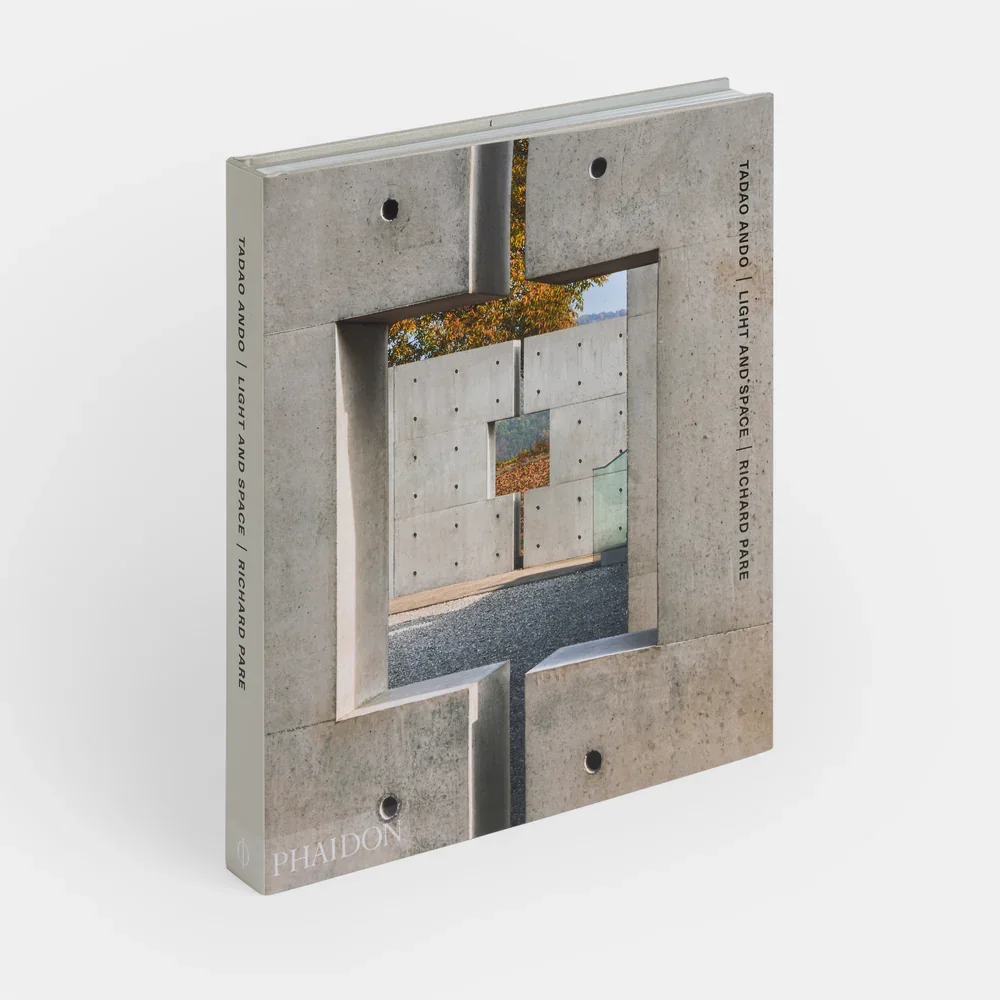
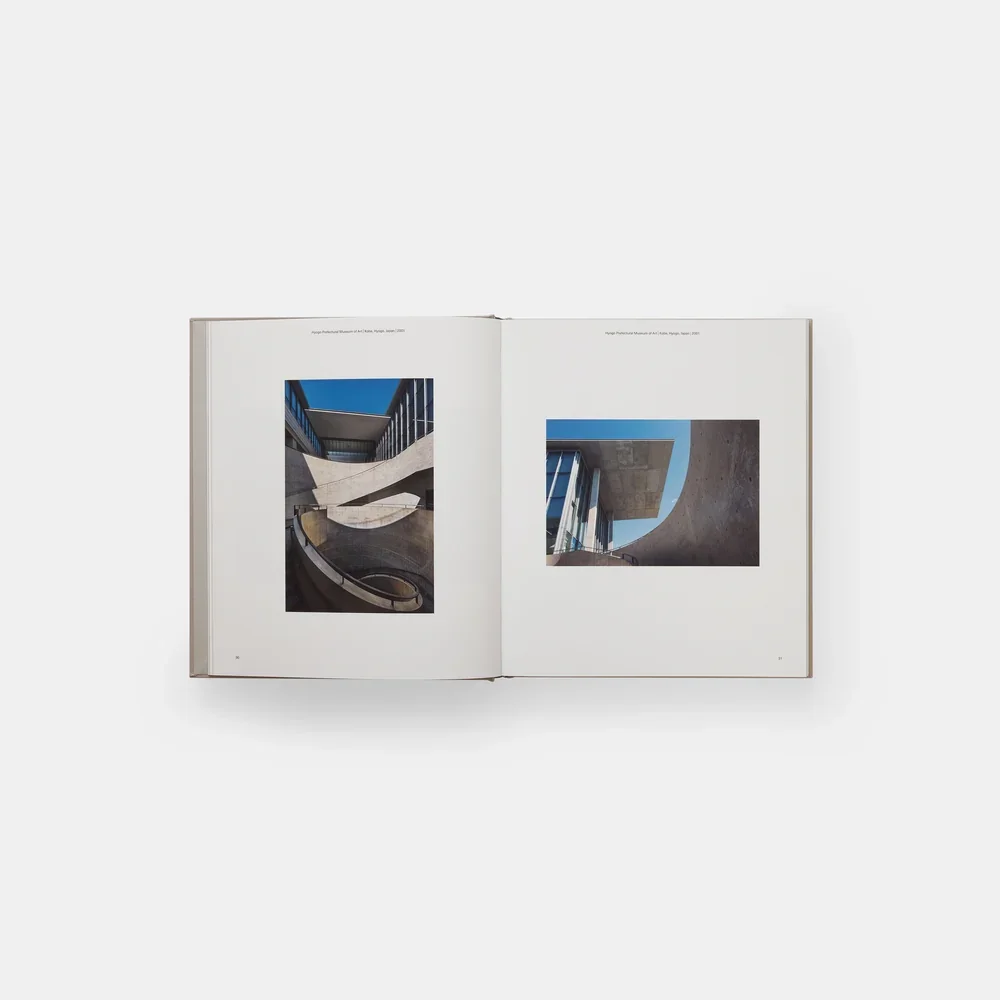
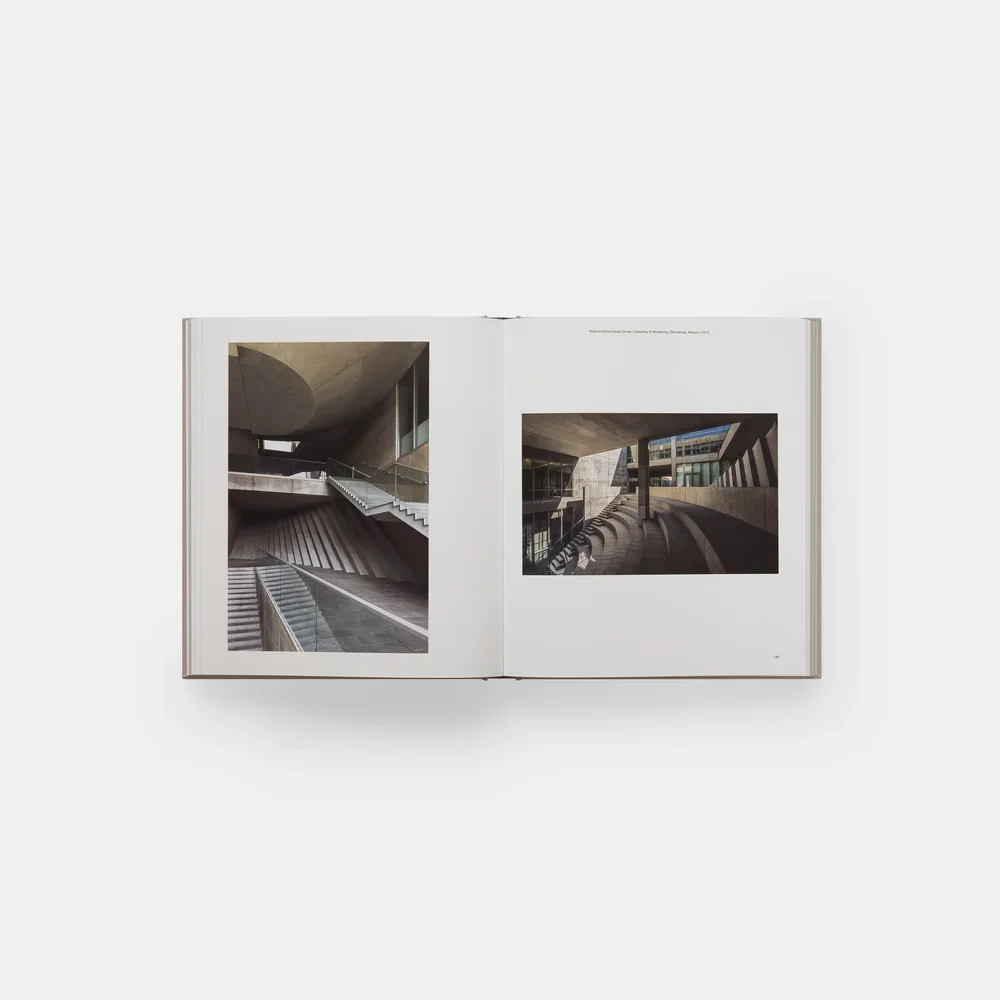
Light and Space picks up the collaboration between Tadao Ando and photographer Richard Pare that began with Tadao Ando: The Colours of Light in 1996. For this volume, Ando selected 28 projects for Pare to photograph, starting with the Pulitzer Arts Foundation in St. Louis and ending with the Bourse de Commerce in Paris. Projects in Japan, Germany, Mexico, South Korea, Italy, and the United States fill out the journey.
Most of Pare’s photographs have not appeared in print before, and much of the book is concerned with the way Ando works with light and volume. Made with Ando and his studio, it also includes a foreword by Ando, an introduction by Dominique Perrault, four drawings created especially for the book, and detailed plans, sections, technical information, and notes on each project.
5. Dieter Rams: The Complete Works
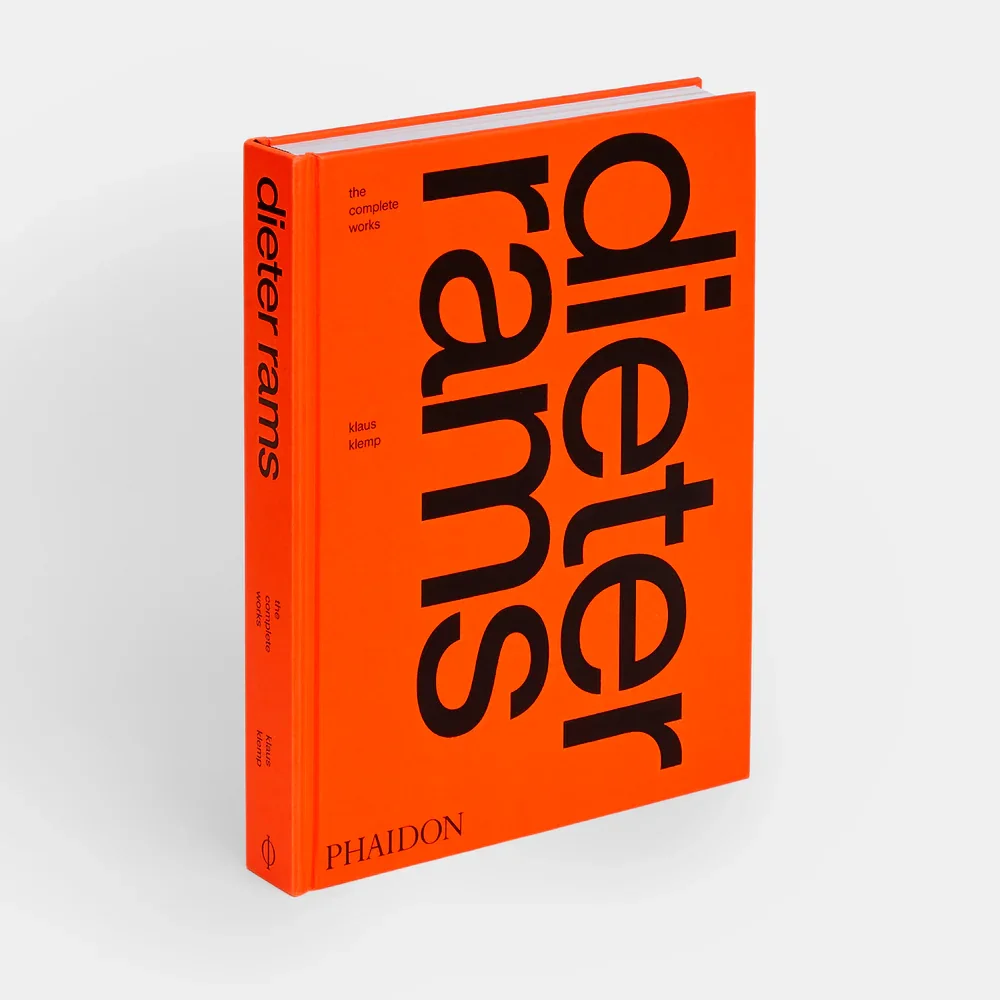
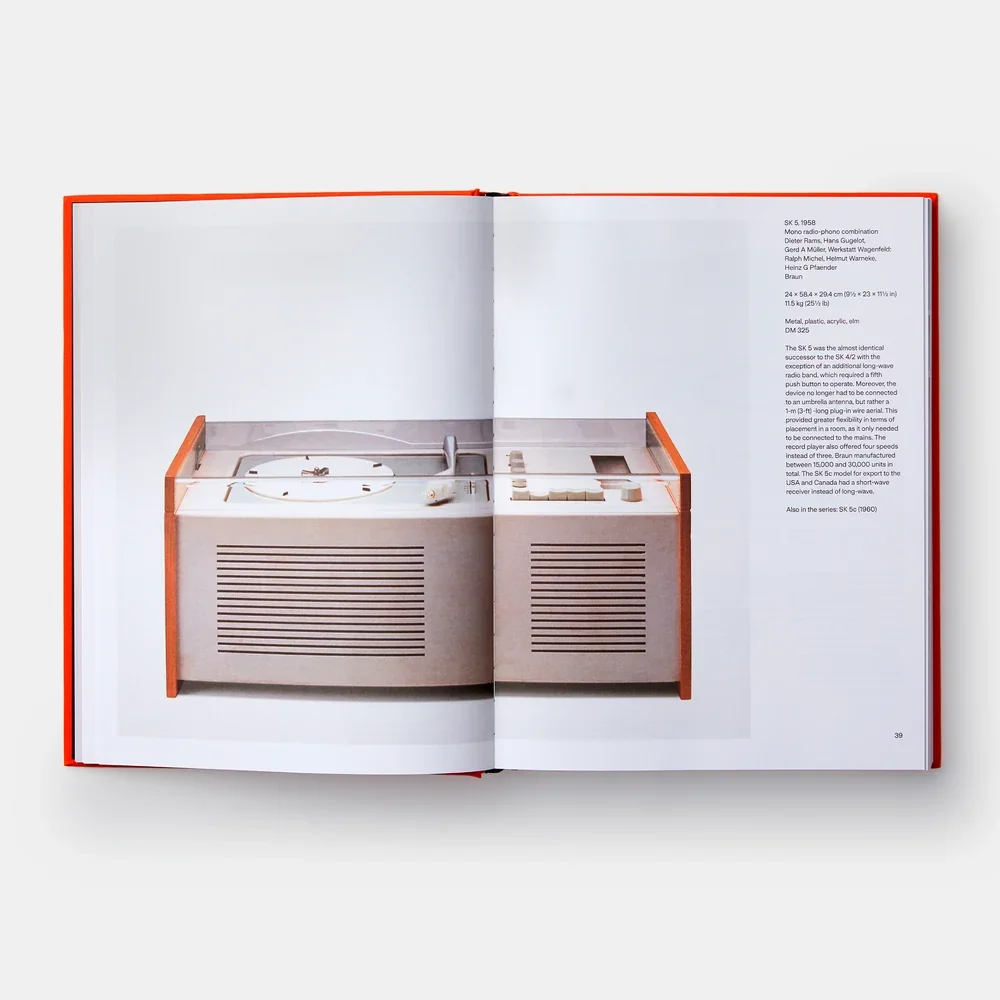
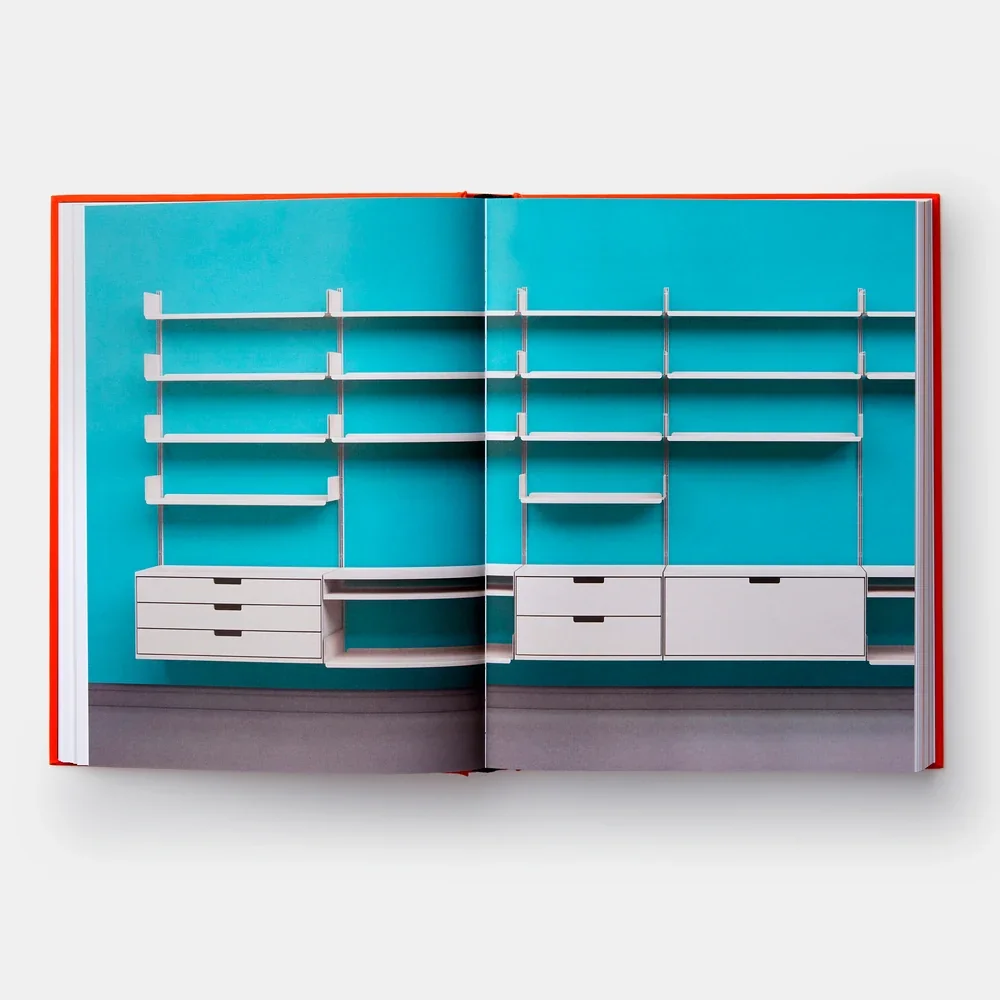
Dieter Rams is one of the most influential product designers of the 20th century. Across more than six decades, his work helped rethink how consumer products could look, feel, and function, while his ten principles for good design became central to his broader approach to the industry.
The Complete Works gathers every product Rams designed into a single chronological volume. Produced with his involvement, the book includes 300 color illustrations, along with individual descriptions and technical details for each piece. It is a remarkably thorough look at his contribution to industrial and product design, but it is just as easy to get lost in if you simply want to spend some time with the objects.
6. Braun: Designed to Keep
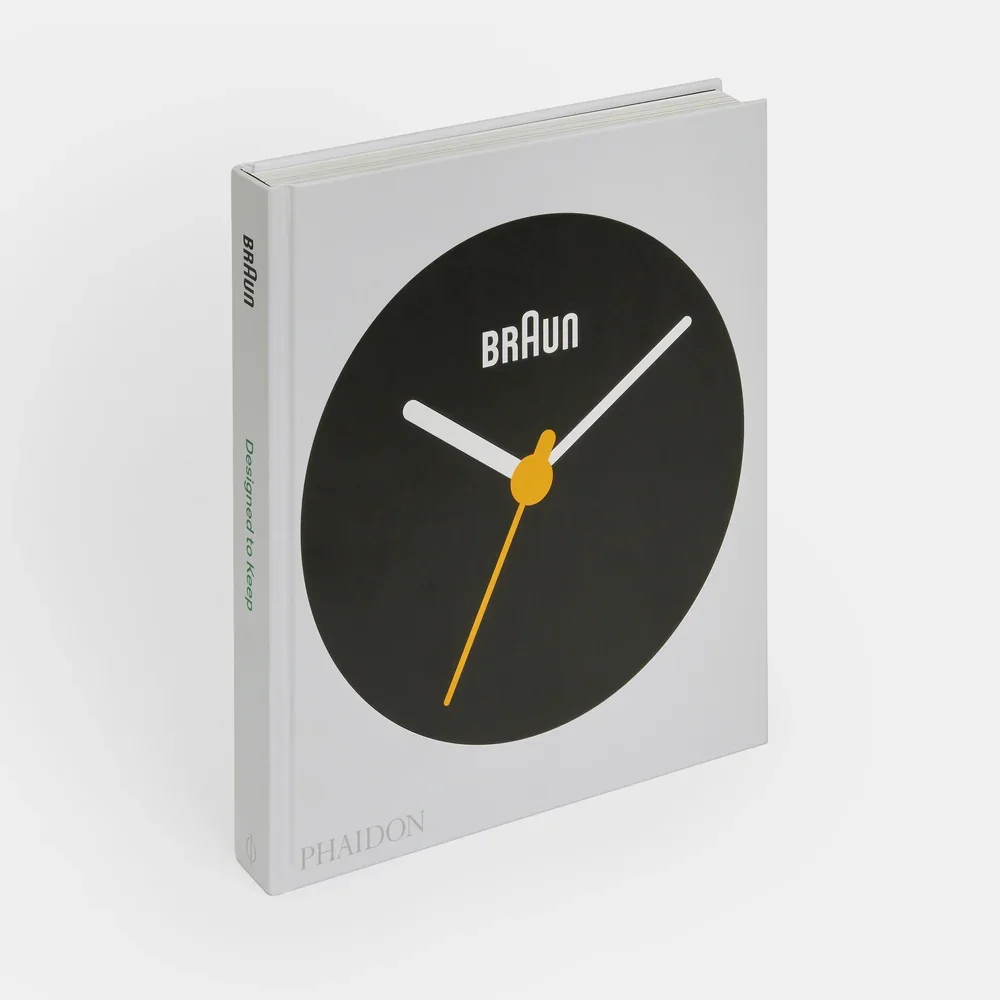
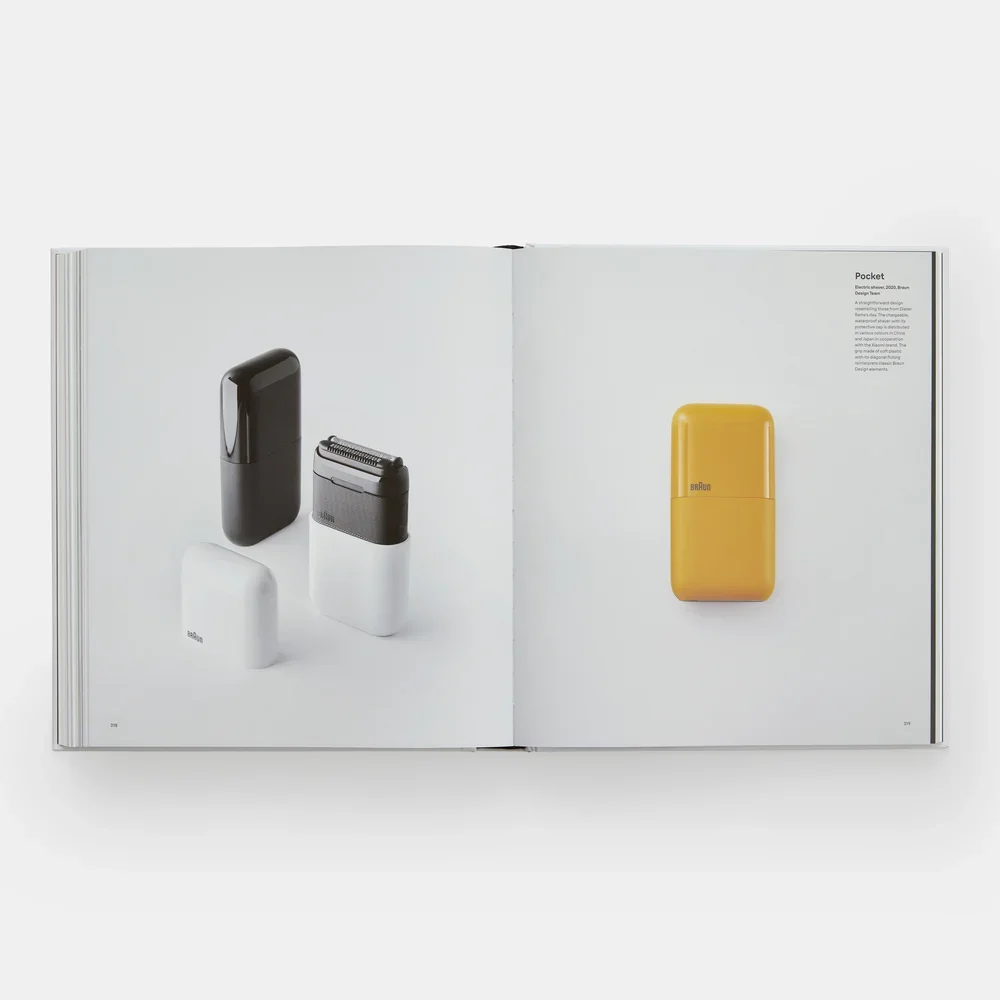

Braun has been around since 1921, but Braun: Designed to Keep is interested in more than a timeline of products. The book looks at the culture of design that developed around the German electronics company and the principles it returned to again and again, including simplicity, usefulness, and longevity.
More than 500 images are spread across three sections, mixing new photographs of Braun products with archival photographs, drawings, advertisements, internal documents, and correspondence. The story is also placed alongside Germany’s cultural and political history, while profiles of people from Braun’s creative and leadership teams bring some attention to the individuals behind the work. For anyone who has ever admired a Braun product without knowing much about the company behind it, this fills in a lot of the blanks.
7. John Pawson: The Minimal Home
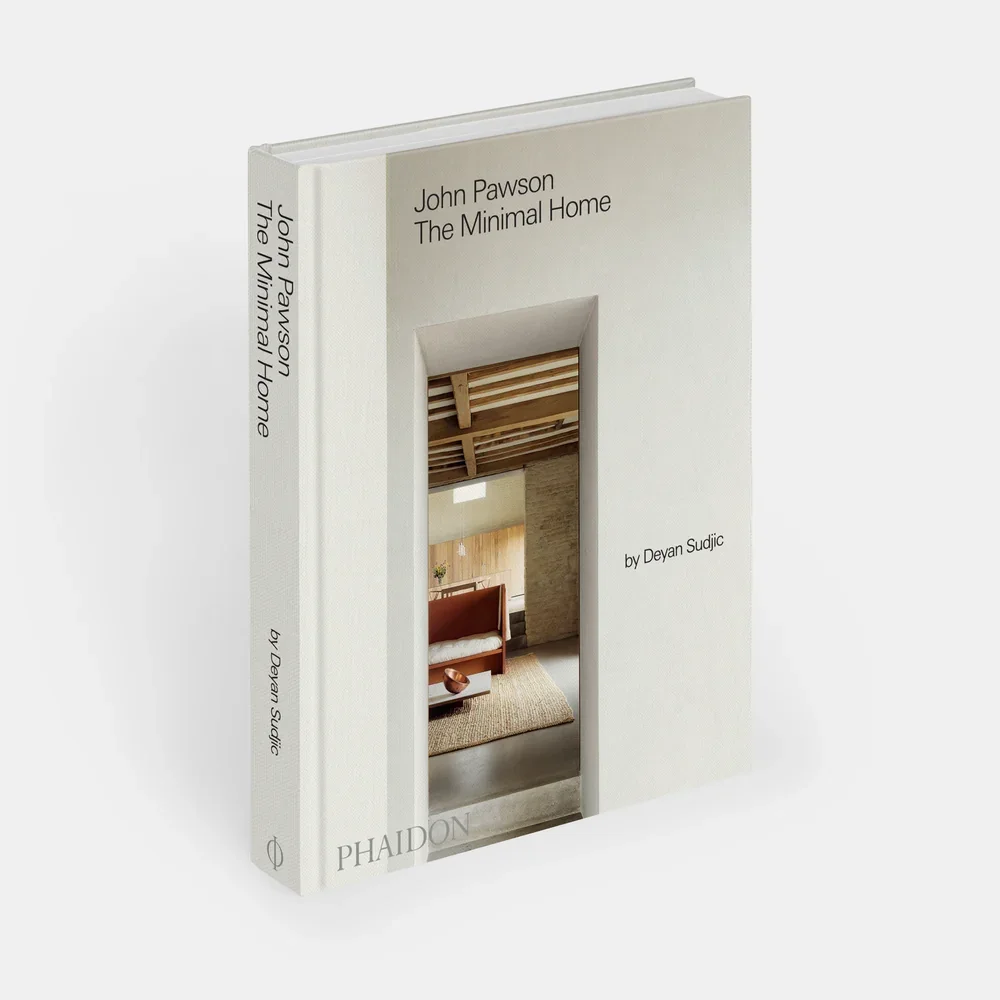
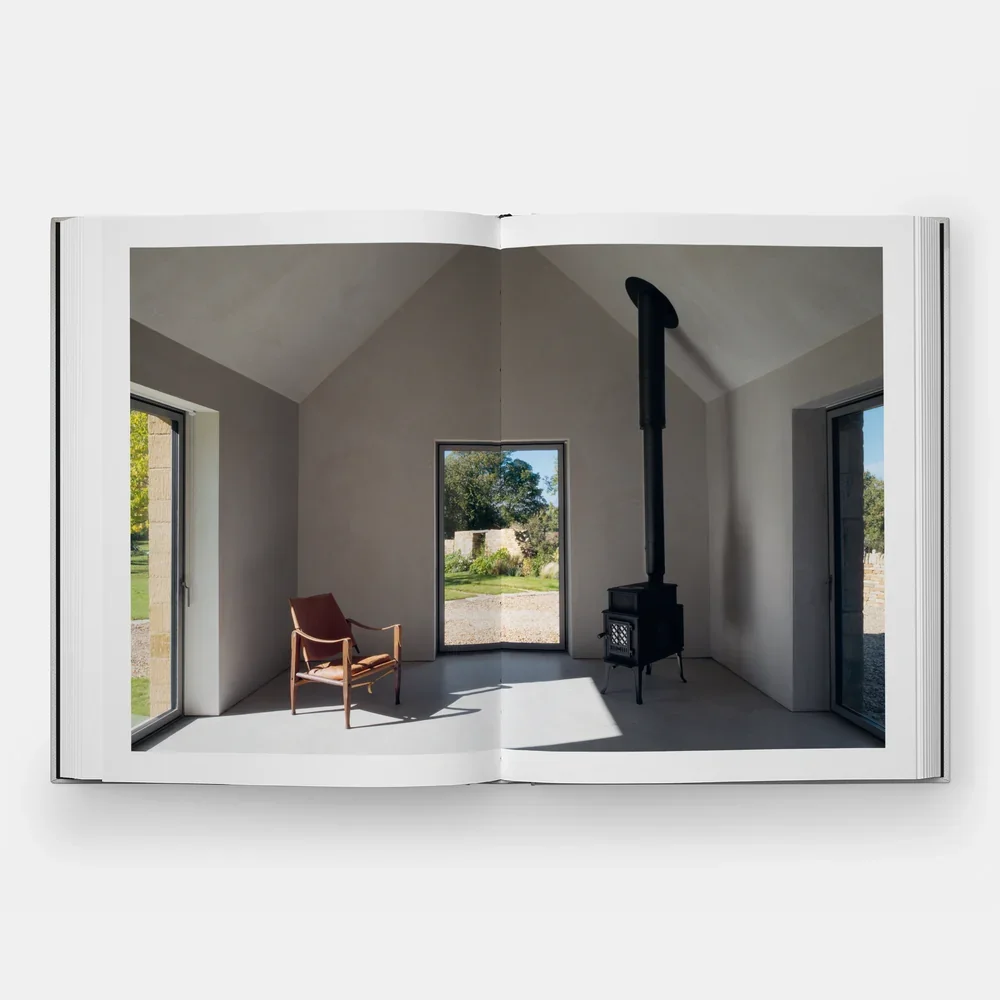
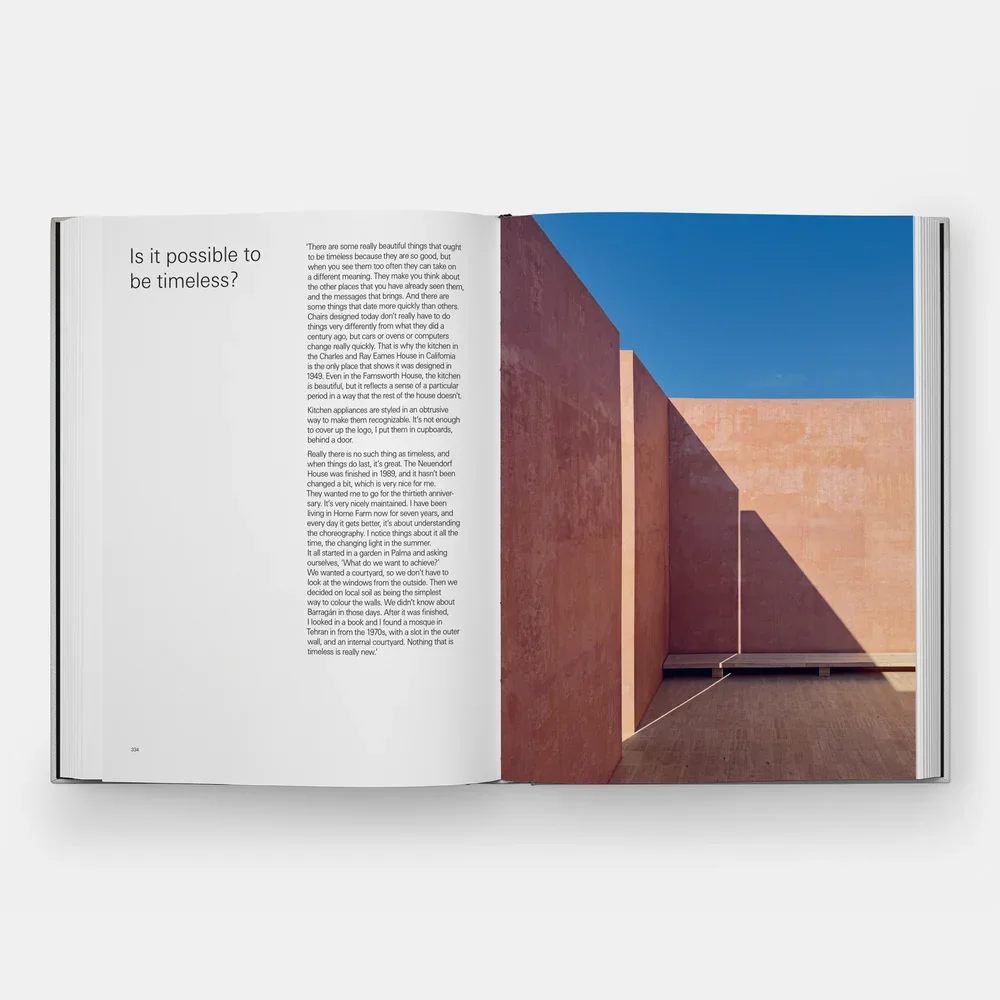
John Pawson: The Minimal Home turns to the domestic side of Pawson’s work, looking at how architecture and design can influence the way we live at home. The book is organized into six chapters around the way a modern home is used: living, cooking, eating, bathing, sleeping, and working.
Projects from the 1980s through today appear alongside places and experiences that have informed Pawson’s thinking, including hot springs in Japan, Donald Judd’s home in Marfa, Le Thoronet Abbey in Provence, and Mies van der Rohe’s Farnsworth House outside Chicago. Deyan Sudjic contributes commentary on the domestic interior, while Pawson discusses his own approach across six accompanying texts. The focus throughout is not just on how a space looks, but how comfortable it is to live in, both visually and physically.
8. Herman Miller: A Way of Living
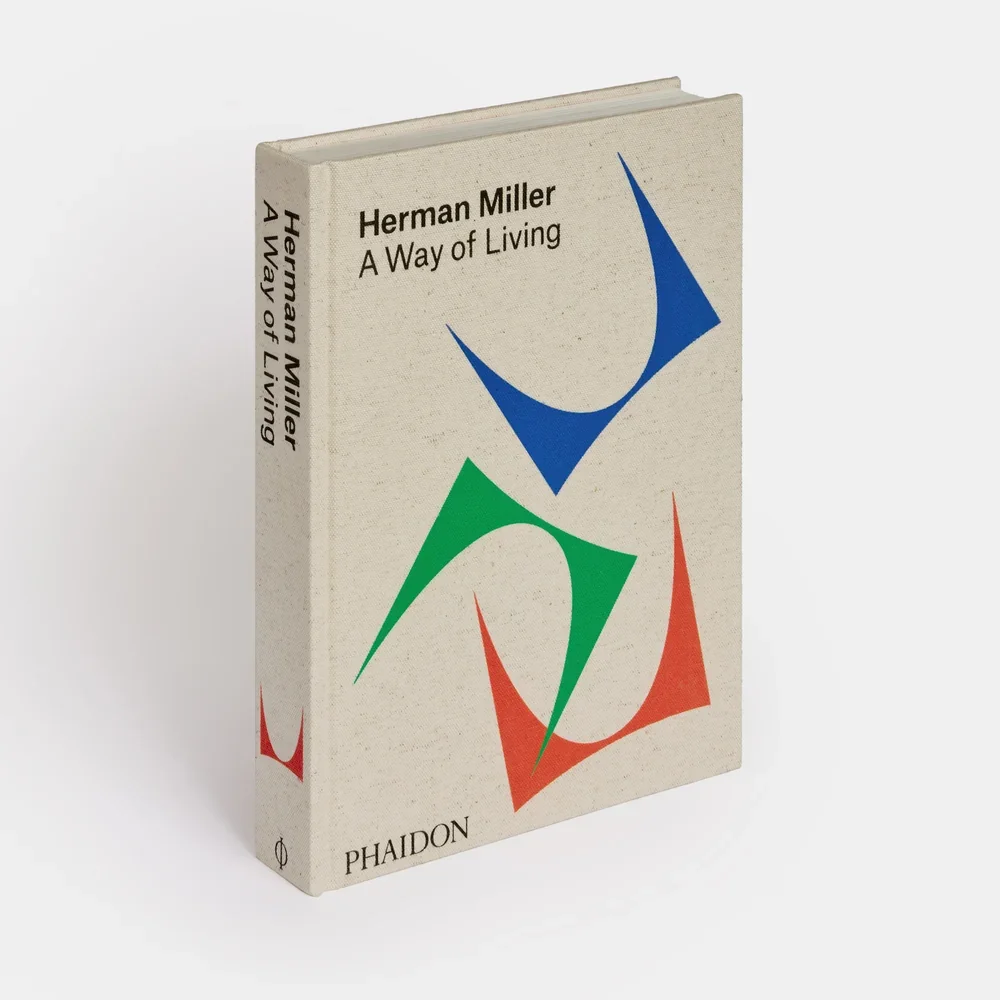
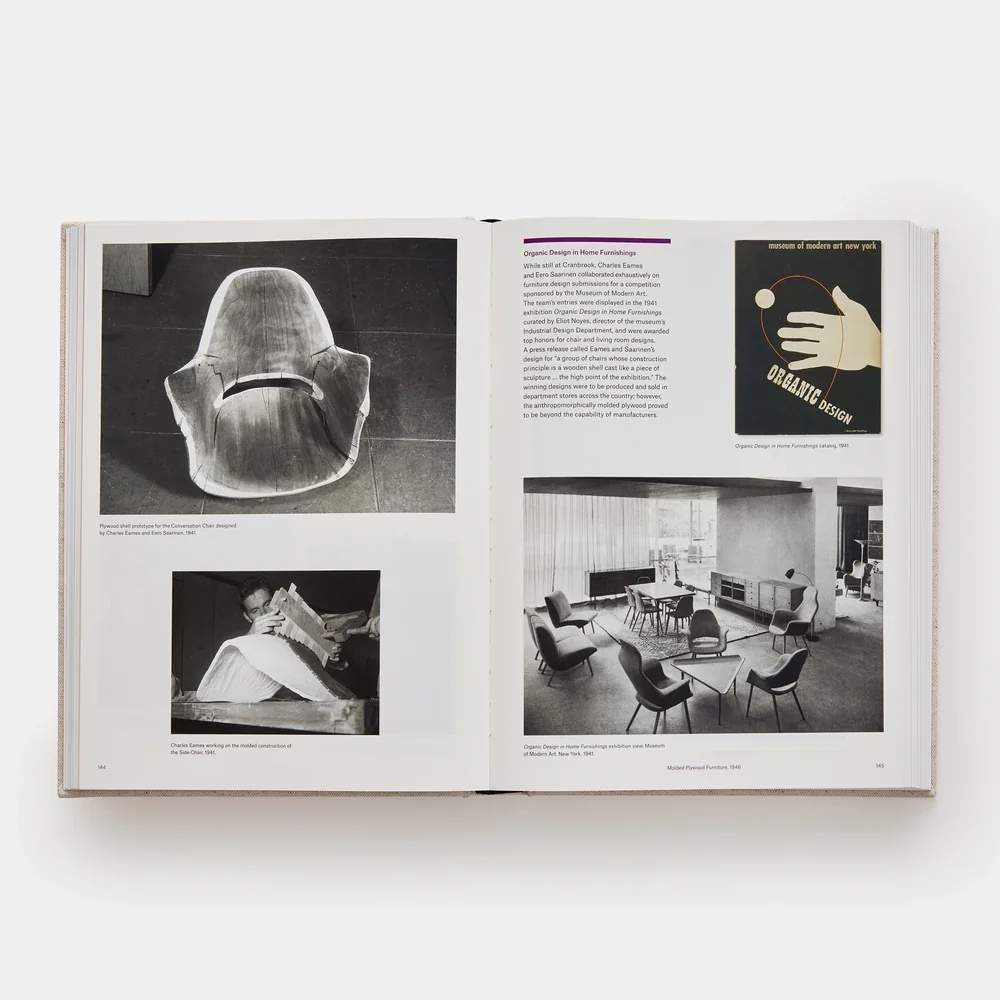
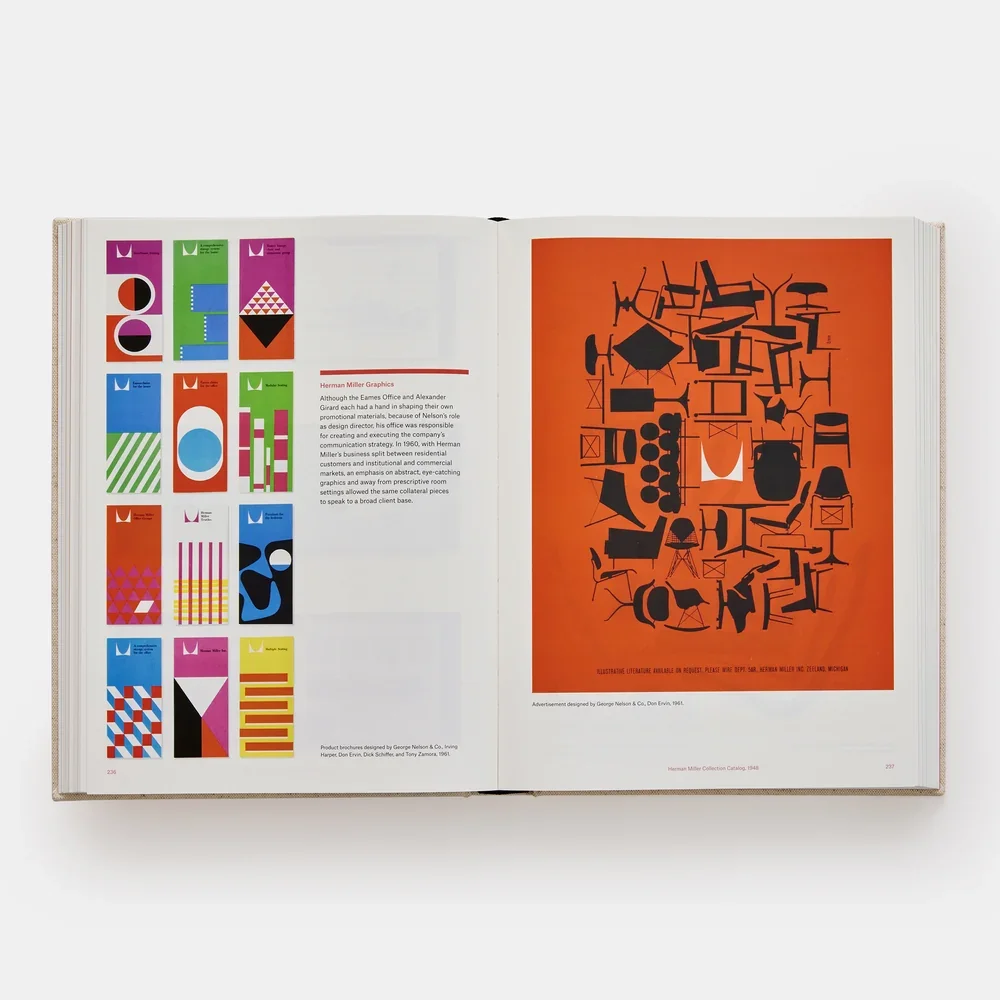
More than a century of Herman Miller is gathered into A Way of Living, tracing the company’s history through its furniture, designers, and defining moments. New and archival photography follows the evolution of its furniture over the decades, while thousands of illustrations fill out the story.
Charles and Ray Eames, George Nelson, and Alexander Girard are among the designers featured, but the book extends beyond the furniture itself. Herman Miller’s international influence, its approach to environmental issues and community service, and the key figures in its history all become part of the larger picture.
9. 1000 Design Classics
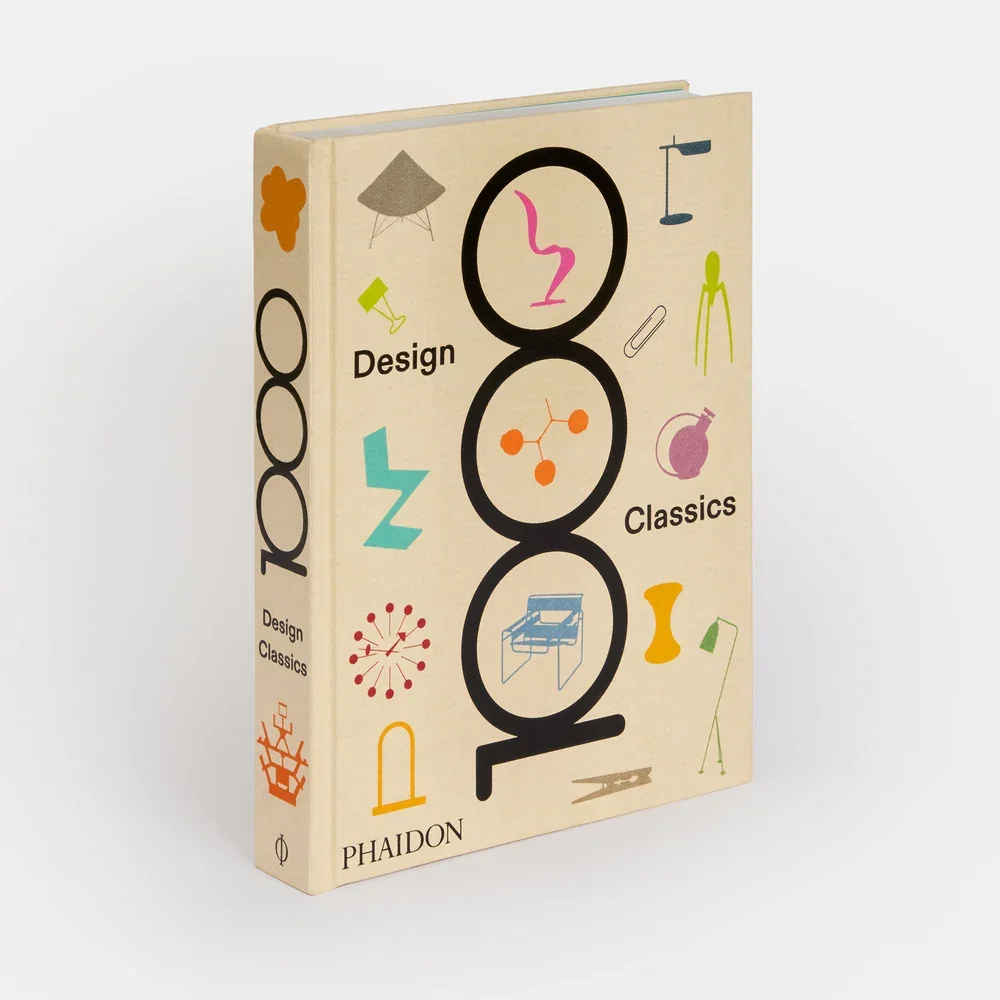
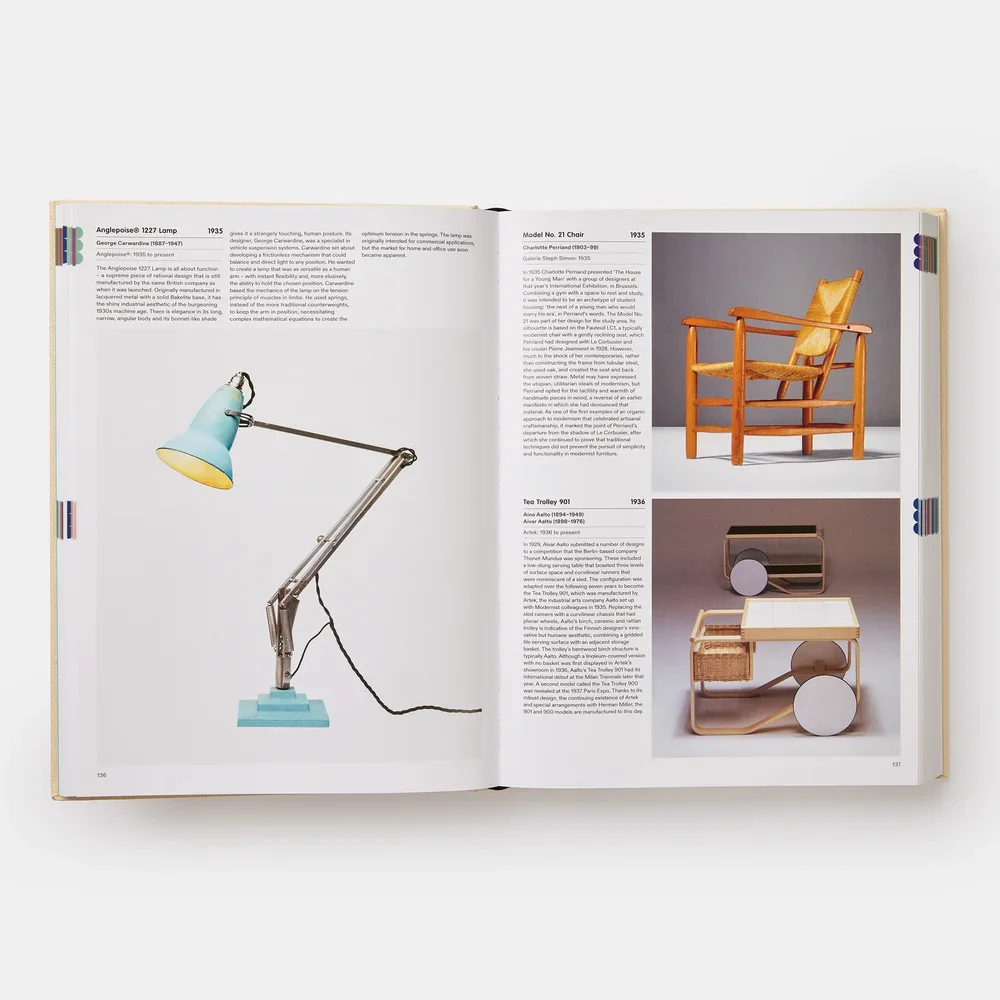
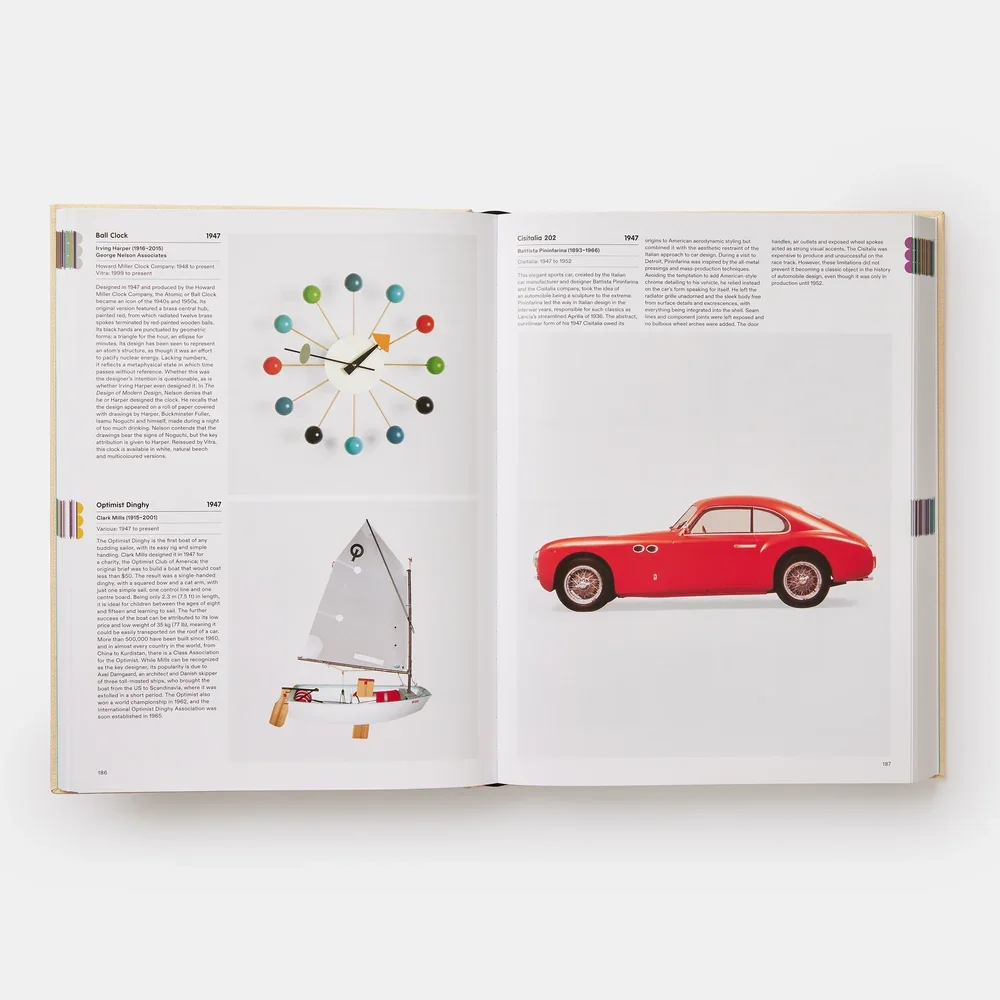
If your idea of a good afternoon involves disappearing into a book full of chairs, lamps, appliances, and objects you never realized you cared about, 1000 Design Classics should keep you busy. Its 1,000 selections stretch from 1663 to the present, putting everyday objects by anonymous makers beside work from Charles and Ray Eames, Charlotte Perriand, Dieter Rams, Hans J. Wegner, Florence Knoll, and many others.
The book grew out of Phaidon’s earlier three-volume Design Classics and brings in 100 additional objects, including more work by women and designers from a wider range of backgrounds, as well as products from the past 15 years. Every entry comes with imagery and information about the object, its history, and its maker. Eero Saarinen’s Tulip Chair is here. So is the Bird Zero e-scooter. It is a reminder that “design classic” can mean more than one thing.
10. Ettore Sottsass
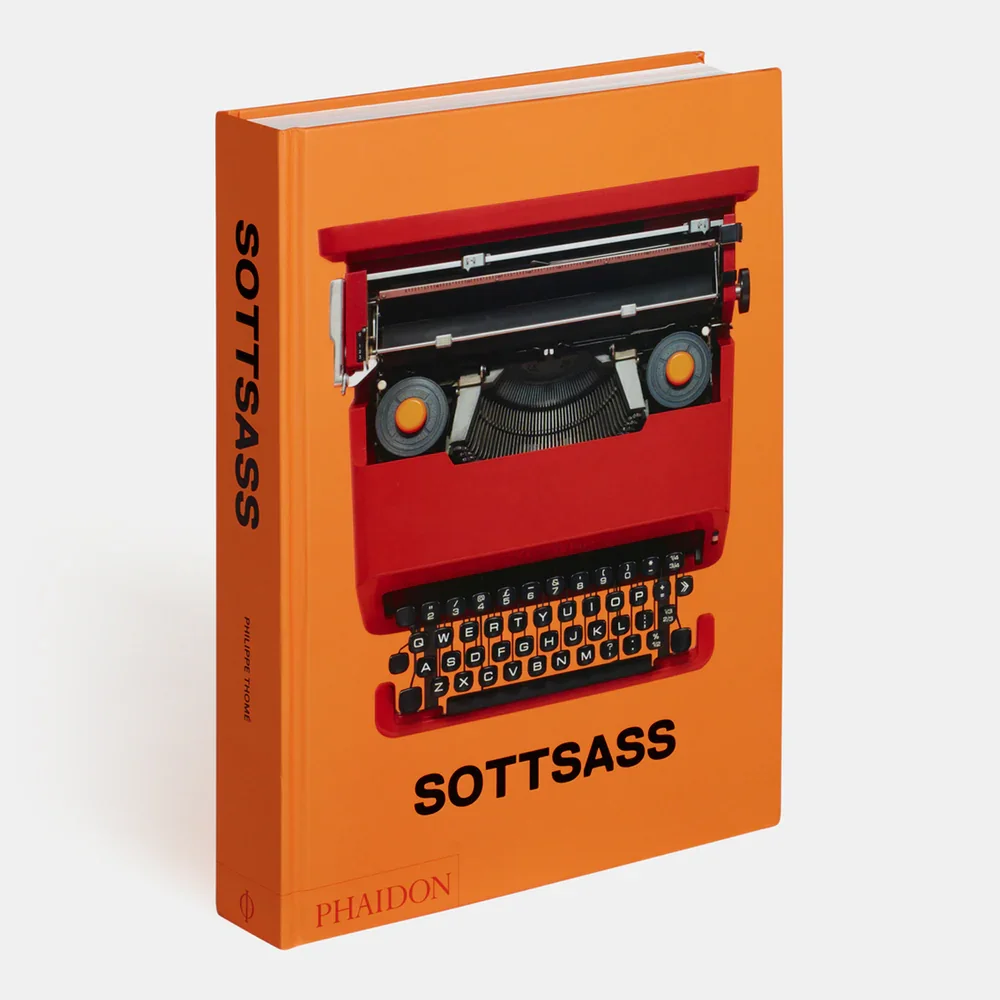
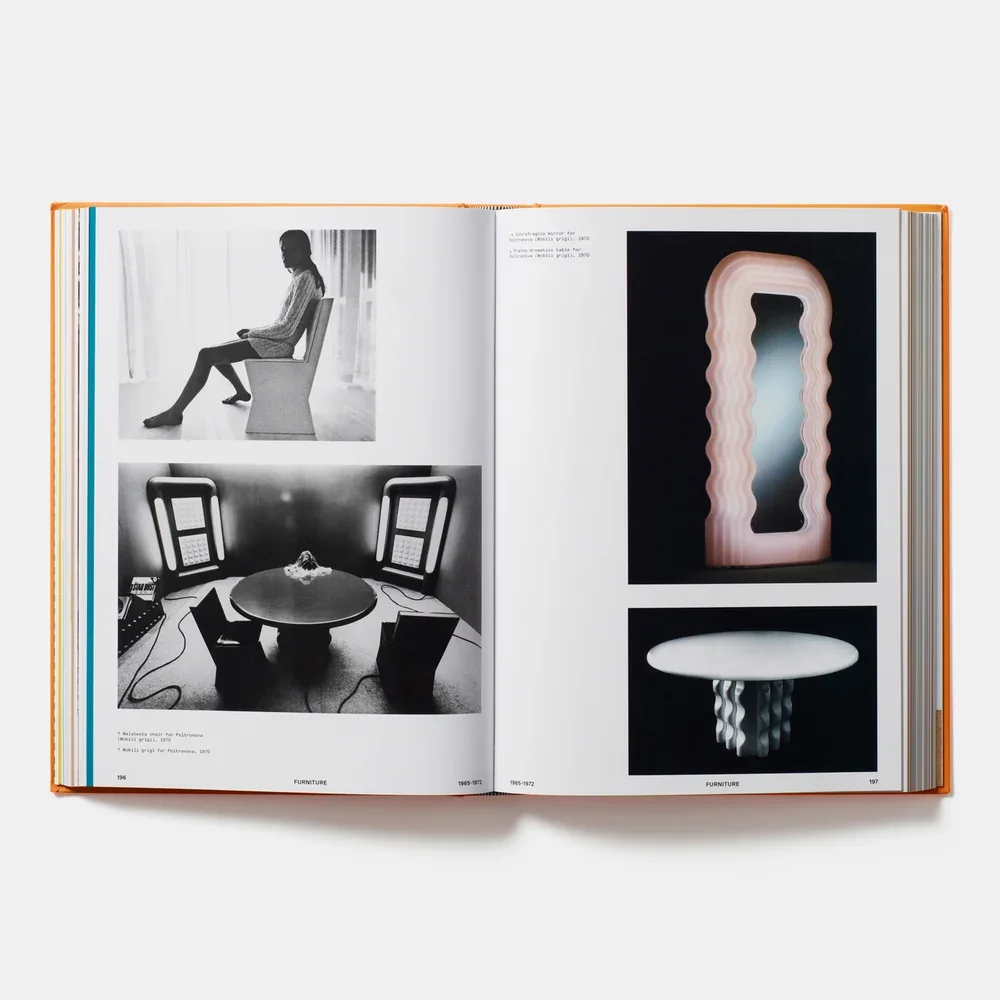
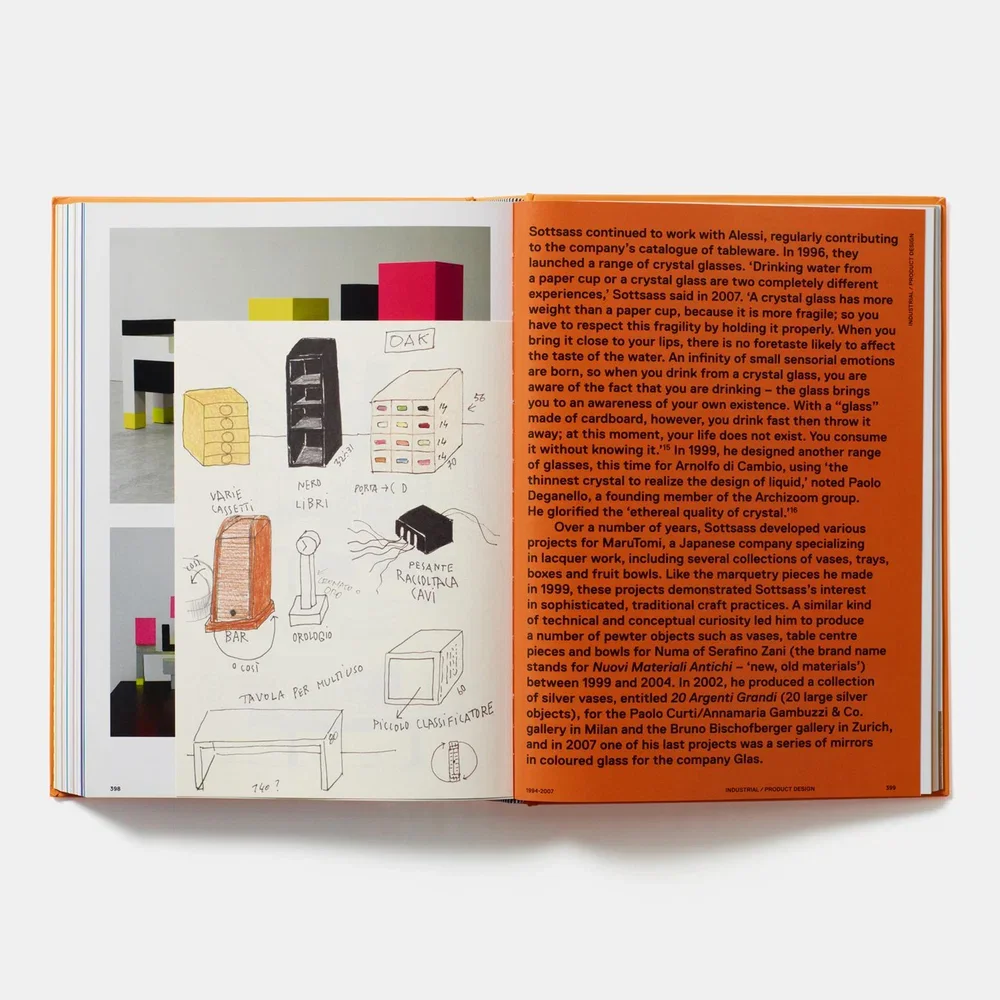
Ettore Sottsass did not exactly stick to one lane. This monograph follows his work from the 1940s through the 2000s, moving between architecture, product design, jewelry, sculpture, and graphics, with material drawn from the extensive Sottsass archives.
Photographs sit alongside drawings and pages from his many sketchbooks, giving the book a broad view of a career that kept moving between disciplines. This edition was published to coincide with the centenary of Sottsass’s birth, at a time when exhibitions and collector interest were once again bringing attention to his work and the Memphis movement. For anyone who mainly knows that chapter of his career, there is much more here to see.